


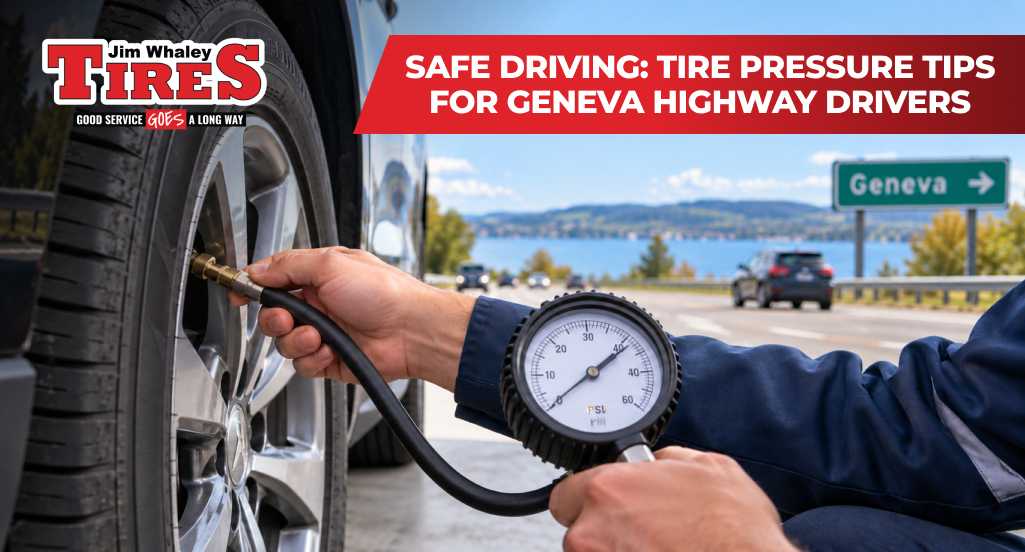
Before you head out on Geneva Highway, take a few minutes to check your tires. Proper tire pressure can affect handling, braking, fuel economy, tread wear, and overall driving comfort. A quick inspection can also help you catch a slow leak or tire damage before it becomes a roadside problem.
These tire pressure tips for Geneva Highway drivers are designed for local car owners, SUV drivers, commuters, and first-time vehicle owners who want a simple way to keep their tires road-ready. Whether you’re driving around Enterprise, commuting toward Dothan, or preparing for a longer trip, knowing what to check can make tire maintenance much easier.
TL;DR – Tire Pressure Tips for Geneva Highway Drivers
- Check tires when cold – Measure pressure before driving or after the vehicle has been parked for several hours for a more accurate reading.
- Use the recommended PSI – Check the driver’s doorjamb label or owner’s manual instead of using the maximum PSI printed on the tire sidewall.
- Inspect all four tires – Look for low tread, uneven wear, cuts, cracks, bulges, and objects stuck in the tread.
- Pay attention to TPMS – A tire pressure warning light can indicate low inflation or another system issue that deserves attention.
- Investigate repeated air loss – A tire that keeps losing pressure may have a puncture, valve problem, wheel issue, or other leak.
Why Tire Pressure Matters for Geneva Highway Drivers
Tires are your vehicle’s only point of contact with the road, so inflation pressure has a direct effect on how they perform. When a tire is underinflated, its sidewalls flex more and generate additional heat. That can contribute to accelerated wear, reduced fuel economy, poorer handling, and tire damage.
Overinflation can also create problems. An excessively inflated tire has a smaller contact area with the road and may provide a firmer ride while wearing unevenly.
The correct pressure depends on your specific vehicle. Your manufacturer’s recommended cold PSI is usually listed on the tire and loading information label inside the driver’s door area or in the owner’s manual. The maximum PSI molded into the tire sidewall is different and should not automatically be used as your everyday target.
For local drivers, checking pressure regularly is one of the easiest tire maintenance habits to establish. If you frequently travel Geneva Highway, a few minutes with a reliable tire gauge can help you spot a problem before you leave home.
How to Check Tire Pressure Before Driving
Checking tire pressure is straightforward, but doing it at the right time makes the reading more useful. Ideally, measure the tires when they are cold, before you’ve driven several miles.
Use this simple process:
- Park before checking – Let the vehicle sit for several hours when possible. Driving heats the tires and can temporarily increase the pressure reading.
- Find the correct PSI – Look at the driver’s doorjamb label or owner’s manual. Your vehicle may specify different pressures for the front and rear tires.
- Use a reliable gauge – A digital or standard tire-pressure gauge can provide a useful reading when properly sealed against the valve stem.
- Check each tire individually – Do not assume that all four tires have the same pressure. Differences can develop from slow leaks, temperature changes, or normal air loss.
- Adjust gradually – Add air when pressure is low and recheck the reading. If pressure is too high, release a small amount and measure again.
- Replace valve caps – Secure the valve caps after checking to help protect the valve from dirt and moisture.
- Check the spare when applicable – If your vehicle has a spare tire, follow the manufacturer’s recommendation for checking its condition and pressure.
A routine tire pressure check Geneva Highway drivers perform at home can help identify small problems before they become obvious on the road. If one tire is consistently lower than the others, don’t simply keep adding air. Find out why the pressure is dropping.
What PSI Should Your Tires Have
There is no universal tire pressure that applies to every vehicle. A compact car, pickup truck, SUV, and heavily loaded vehicle can all have different recommendations.
The safest approach is to follow your vehicle manufacturer’s specification.
You can usually find the recommended cold pressure in these places:
- Driver’s doorjamb label – This is generally the easiest and most reliable reference for everyday inflation.
- Owner’s manual – Check here if you’re unsure about the recommended PSI or special load conditions.
- Tire information placard – Many vehicles have a dedicated label showing tire size and recommended inflation information.
- Vehicle information system – Some newer vehicles display recommended or current tire pressure through the dashboard.
- Tire sidewall – Use the sidewall for tire specifications and maximum pressure information, but don’t confuse that number with your vehicle’s recommended PSI.
For example, if your doorjamb specifies 35 PSI and your tire sidewall shows a higher maximum pressure, the doorjamb specification is the number you should follow for normal vehicle operation.
This distinction is especially important for first-time car owners. More air does not automatically mean better tire performance.
When Should You Check Tire Pressure
A monthly check is a practical maintenance habit for many drivers. You should also check before a long road trip, after a major temperature change, or whenever your vehicle’s handling feels different.
Make pressure checks part of these situations:
- Before a road trip – Checking pressure before a longer drive gives you a chance to correct low inflation and investigate leaks.
- After a temperature change – Tire pressure can change as ambient temperature changes, so seasonal shifts are a good reason to recheck your tires.
- When the TPMS light appears – Don’t ignore the warning or assume the light will turn off on its own.
- After hitting a pothole – A hard impact can damage a tire or wheel even if the tire still appears to hold air.
- When one tire looks low – Visual inspection can sometimes reveal a significant pressure difference.
- When your vehicle handles differently – Pulling, wandering, vibration, or unusual steering response can point to tire or wheel problems.
A consistent tire pressure check Geneva Highway drivers perform throughout the year is more useful than checking only when a problem becomes obvious. If you’re already checking your oil, lights, and fluids, tire pressure can easily become part of the same routine.
HONEST SERVICE.
REAL SAVINGS.
CLAIM YOURS AND BOOK
AN APPOINTMENT
VIEW ALL COUPONS
How Temperature Affects Tire Pressure
Temperature changes can affect the air pressure inside your tires. As temperatures fall, tire pressure generally decreases. As temperatures rise, pressure generally increases.
This does not mean you should adjust your tires based on a guessed temperature formula. Instead, check the pressure when the tires are cold and compare the reading with your vehicle manufacturer’s recommended PSI.
For Enterprise drivers, this can be especially useful during seasonal changes. A tire that was properly inflated during one period may need attention after a significant change in outdoor temperature.
Avoid letting air out of a warm tire simply because the reading appears higher. Warm tires naturally produce a higher pressure reading after driving. Check them again when cold before making adjustments.
What Else Should You Inspect Before Driving
Correct inflation is only one part of tire safety. A tire can have the right PSI and still have tread wear, sidewall damage, a puncture, or another condition that requires attention.
Before a longer drive, walk around your vehicle and look at each tire.
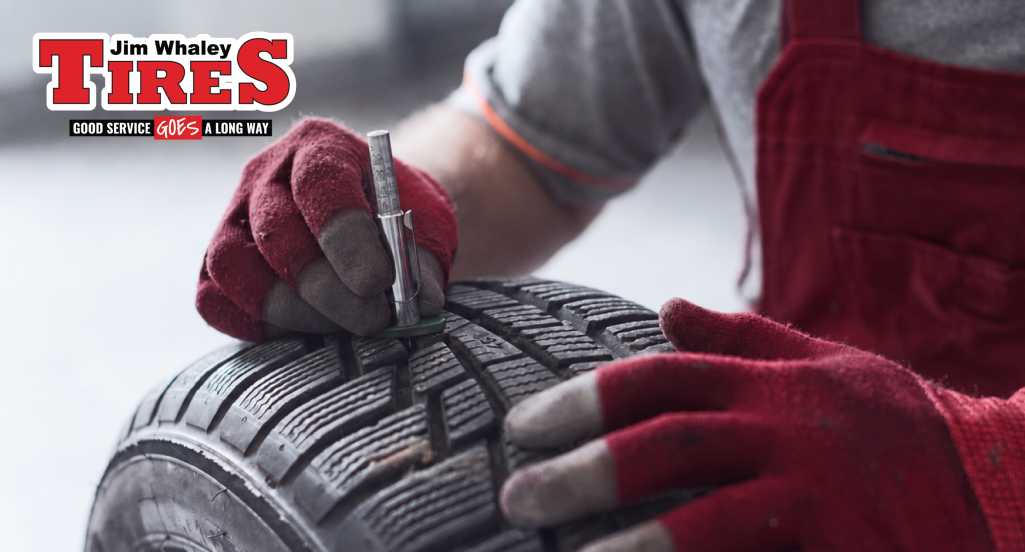
- Check tread depth – Look for low tread and wear indicators across the tire. Uneven tread depth can affect traction and may indicate another vehicle maintenance issue.
- Look for uneven wear – Excessive wear on the inside, outside, or center of the tread can point toward inflation, alignment, rotation, or suspension problems.
- Inspect sidewalls – Look for cuts, cracks, bulges, abrasions, or other visible damage. A bulge can indicate internal tire damage and should receive professional attention.
- Look for punctures – Nails, screws, and other debris can create slow leaks. Don’t assume a tire is fine simply because it still has air.
- Watch for tread separation – Unusual raised areas, loose tread, or other signs of separation require prompt evaluation.
- Notice vibration – A new vibration through the steering wheel or vehicle can be associated with tire balance, wheel damage, tire damage, or other components.
- Check the valve area – A leaking valve can cause gradual pressure loss that may be difficult to spot during a quick visual inspection.
These tire safety tips Enterprise AL drivers can follow are useful before daily commuting and especially before longer highway trips.
A few minutes of inspection can also tell you when a professional tire check makes sense. If something looks unusual, it is better to have it evaluated than to guess about its condition.
What Does the TPMS Warning Light Mean
The Tire Pressure Monitoring System, commonly called TPMS, alerts you when tire pressure falls below a specified threshold.
It is a helpful safety feature, but TPMS should not replace regular manual checks. The system is designed to warn you when pressure has already changed, while a tire gauge can help you identify smaller differences during routine maintenance.
If your TPMS light comes on:
- Check all four tires – One tire may be low even if the others appear normal.
- Use a pressure gauge – Confirm the actual pressure rather than relying only on how the tire looks.
- Compare with the doorjamb specification – Inflate to the vehicle manufacturer’s recommended cold PSI.
- Look for visible damage – Check for nails, screws, cuts, bulges, or other obvious problems.
- Monitor recurring pressure loss – If the same tire becomes low again, have it inspected for a leak.
- Have persistent warnings diagnosed – A warning that remains after proper inflation may require TPMS service or further inspection.
Jim Whaley Tires’ Geneva Highway location offers tire pressure checks and TPMS service, making it a convenient option for local drivers who want professional assistance.
Signs You Need a Professional Tire Inspection
Some tire problems can be handled with routine inflation, while others require professional equipment and inspection.
Consider scheduling a tire inspection Enterprise AL drivers can rely on if you notice:
- Repeated air loss – A tire that needs frequent inflation may have a puncture, valve leak, wheel issue, or another problem.
- Uneven tread wear – One-sided or irregular wear can indicate alignment, suspension, rotation, or inflation concerns.
- A bulging sidewall – A visible bulge may indicate internal structural damage and should be evaluated promptly.
- Persistent vibration – New or worsening vibration can point toward a tire, wheel, balance, alignment, or suspension issue.
- Vehicle pulling – A vehicle that consistently drifts or pulls can have several possible causes that deserve diagnosis.
- A TPMS warning – If the light returns after you’ve properly inflated the tires, further inspection may be needed.
- Damage after an impact – Hitting a pothole, curb, or road debris can cause damage that isn’t immediately visible.
Professional inspection can help determine whether a tire needs inflation, repair, rotation, balancing, alignment, or replacement. Jim Whaley Tires provides tire repair, TPMS service, wheel alignment, and other tire services at its Geneva Highway location.
Tire Maintenance Habits That Help Your Tires Last
Good tire care doesn’t require complicated routines. The biggest benefit comes from doing a few simple things consistently.
- Check pressure regularly – Make monthly pressure checks part of your normal vehicle maintenance routine.
- Rotate tires as recommended – Regular rotation helps promote more even wear and can extend tire life.
- Maintain proper alignment – Correct wheel alignment helps prevent premature or uneven tread wear.
- Check tread condition – Inspect tread periodically instead of waiting until the tire looks completely worn.
- Address slow leaks – Repeatedly adding air without identifying the cause can allow a small problem to continue.
- Inspect after impacts – Have tires and wheels checked after a significant pothole or curb impact.
- Choose replacement tires carefully – Match tire size and specifications to your vehicle and consider how you actually drive.
These tire maintenance tips Enterprise AL drivers can use are simple enough to combine with oil changes and other scheduled vehicle maintenance.
Tire care also protects your investment. Finding an alignment problem or slow leak early can help prevent avoidable wear on an otherwise usable set of tires.
How Often Should You Check Your Tires
For most drivers, checking tire pressure about once a month is a sensible starting point. Your vehicle may require additional checks based on the manufacturer’s maintenance recommendations and your driving conditions.
You should also check before long trips and whenever something changes.
If you regularly drive Geneva Highway, keep a tire gauge in your vehicle or garage so a pressure check is always convenient. If you find one tire consistently reads lower than the others, don’t treat repeated inflation as the solution.
A recurring low reading is a clue that deserves investigation. A tire pressure check Geneva Highway drivers can schedule with a professional can help determine whether the issue is simply inflation or something more serious.
Keep Your Tires Ready for Geneva Highway
Following these tire pressure tips for Geneva Highway drivers can help you identify low inflation, slow leaks, uneven wear, and other tire problems before they interfere with your drive. A few minutes of preventive care can make your vehicle easier to handle and help you get more useful life from your tires.
For drivers in Enterprise, Dothan, Ozark, Eufaula, and surrounding communities, Jim Whaley Tires provides tire and auto repair services across Alabama and Florida. The company currently operates 10 locations, including its Geneva Highway location at 1161 Geneva Hwy in Enterprise.
If your tires are losing air, showing uneven wear, triggering a TPMS warning, or simply due for an inspection, Jim Whaley Tires can help. The Geneva Highway location provides tire pressure checks, tire repair and installation, TPMS service, vehicle inspections, and wheel alignment.
Whether you’re heading across Enterprise or preparing for a longer trip, getting a tire concern checked early can give you greater confidence behind the wheel.
Schedule your appointment online at Jim Whaley Tires.