


A drive along Highway 231 can be part of an everyday commute, a trip across Alabama, or the start of a longer journey. Before putting extra highway miles on your car, SUV, or truck, take a few minutes to make sure your vehicle is ready.
This Highway 231 road trip car checklist focuses on the areas that deserve attention before you leave Troy, especially your tires, brakes, fluids, battery, lights, wipers, and emergency equipment. A little preparation can help you catch a problem while you are still close to home instead of discovering it miles into your trip.
For drivers planning a Troy, AL road trip, the goal is simple. Give your vehicle a thorough inspection, address warning signs early, and make sure any necessary equipment is ready to use.
TL;DR – Highway 231 Road Trip Car Checklist at a Glance
- Check tire pressure using the driver’s door placard or owner’s manual, with tires cold.
- Inspect tread and sidewalls for wear, cracks, bulges, cuts, punctures, or uneven wear.
- Test the brakes for grinding, squealing, vibration, pulling, or a soft pedal.
- Check engine oil, coolant, brake fluid, transmission fluid, and washer fluid.
- Check the battery for corrosion, slow starting, or dim lights.
- Test headlights, brake lights, turn signals, and wipers.
- Make sure the spare tire, jack, lug wrench, tire gauge, jumper cables, flashlight, and warning devices are ready.
Why Highway 231 Tire Safety Matters Before a Long Drive
Your tires deserve special attention before a highway trip because they are the only parts of your vehicle continuously connecting it to the pavement. Long-distance driving, highway speeds, hot pavement, heavy cargo, and incorrect inflation can all increase the demands placed on them.
A proper Troy AL tire check should go beyond asking whether the tires look inflated. Take a closer look at their condition before leaving.
- Check cold tire pressure – Find the manufacturer’s recommended PSI on the driver’s door placard or in the owner’s manual. The pressure printed on the tire is generally the tire’s maximum pressure, not the correct setting for your vehicle.
- Look for uneven tread wear – Wear concentrated along one edge, in the center, or in patches can point toward improper inflation, alignment issues, suspension problems, or other mechanical concerns.
- Inspect the sidewalls – Look for cuts, cracks, punctures, or bulges. A visible bulge can indicate internal tire damage and deserves professional attention before highway travel.
- Check tread condition – Adequate tread helps your tires maintain traction, particularly when the road is wet. If the tread is approaching the wear indicators or looks significantly worn, have it evaluated.
- Inspect the spare tire – A spare with low pressure or damage will not help much if you have a flat. Check its condition along with your four road tires.
- Look for foreign objects – Nails, screws, stones, or other objects lodged in a tire can lead to a slow leak or sudden loss of pressure.
A few minutes with a tire gauge and flashlight can reveal problems that are easy to miss during everyday driving. If anything looks questionable, getting the tire inspected before your trip is a much better option than testing its condition at highway speed.
What Should You Check on Your Tires Before Highway 231
A visual tire inspection should be part of every Highway 231 road trip car checklist, especially when your vehicle will be carrying passengers, luggage, or other heavy items.
The most useful inspection combines pressure, tread, sidewall condition, and overall appearance.
- Measure every tire individually – Do not assume all four tires have the same pressure simply because they look similar. Use a reliable gauge and compare each reading with the vehicle manufacturer’s recommendation.
- Inspect for slow leaks – A tire that repeatedly loses air deserves attention. Frequent pressure loss can result from a puncture, valve problem, wheel issue, or another source of leakage.
- Check for vibration – New vibration at highway speeds can sometimes indicate tire imbalance, wheel problems, uneven wear, or suspension issues.
- Watch for pulling – If your vehicle consistently pulls to one side, have the tires, alignment, and steering components evaluated before a long trip.
- Consider the vehicle load – Passengers and luggage add weight. Make sure you stay within the vehicle’s specified load capacity and distribute cargo securely.
The same inspection is useful whether you drive a compact car, pickup, crossover, or SUV. Larger vehicles may carry more passengers and cargo, making proper tire condition and loading especially important.
How to Check Your Brakes Before a Troy Road Trip
Your brakes should feel predictable every time you use them. A Troy AL road trip is a poor time to discover that your vehicle has been developing a braking problem.
You do not need to remove the wheels to notice several common warning signs.
- Listen for unusual sounds – Grinding, scraping, or persistent squealing can indicate a brake component needs attention. Do not ignore a new noise simply because the vehicle still stops.
- Pay attention to pedal feel – A brake pedal that feels unusually soft, spongy, or different from normal should be inspected before departure.
- Watch for pulling – If the vehicle moves toward one side when braking, there may be an issue involving the brakes, tires, suspension, or alignment.
- Notice steering wheel vibration – Vibration during braking can be associated with brake or wheel-related concerns and deserves an inspection.
- Check the brake warning light – A warning light on the dashboard should be investigated rather than cleared mentally and forgotten.
- Consider your recent driving experience – If stopping distances seem longer or braking performance feels different, trust that change and have the vehicle checked.
Brakes can receive additional heat and stress during extended driving, particularly with a heavily loaded vehicle. If something about your braking feels different, schedule an inspection before heading out.
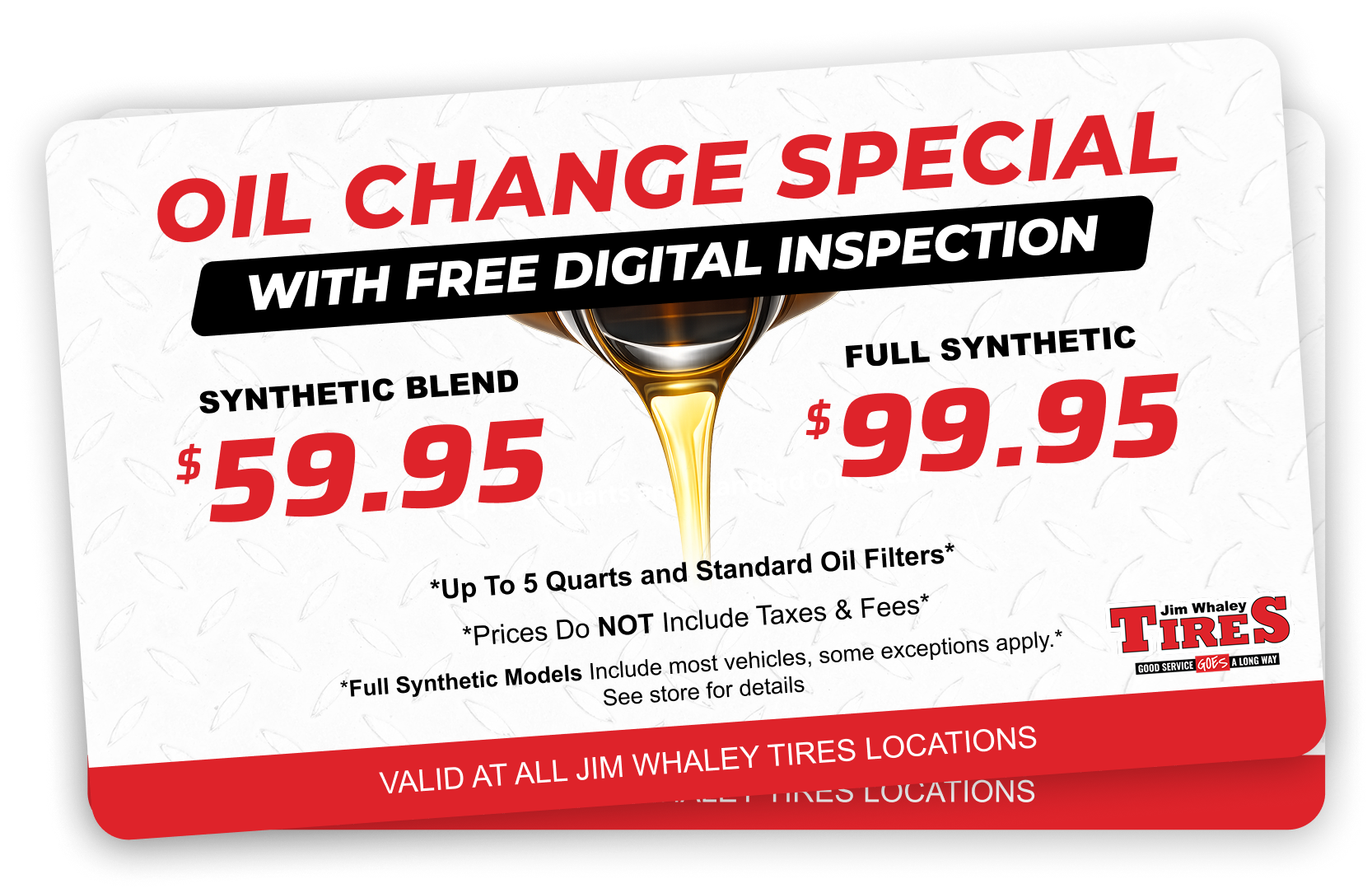
HONEST SERVICE.
REAL SAVINGS.
CLAIM YOURS AND BOOK
AN APPOINTMENT
VIEW ALL COUPONS
Which Fluids Should You Check Before Highway 231
Fluids are easy to overlook because most drivers rarely think about them when the vehicle is running normally. They become much more important when an engine, cooling system, transmission, or braking system is working continuously for an extended period.
Include these fluid checks in your Highway 231 road trip car checklist.
- Engine oil – Check the level according to your owner’s manual and look for signs that an oil change is due. Low oil can contribute to serious engine problems.
- Coolant – Check the coolant level when the engine is cool and look for visible leaks. The cooling system plays an important role in preventing overheating.
- Brake fluid – A low brake fluid level can indicate a leak or another brake system concern. Have the system evaluated if the level is unexpectedly low.
- Transmission fluid – If your vehicle provides a way to check the fluid, follow the manufacturer’s procedure. Some newer vehicles require professional service rather than a traditional dipstick check.
- Windshield washer fluid – Fill the reservoir before leaving. A clean windshield becomes especially important when road spray, rain, dust, or insects reduce visibility.
Do not open a hot coolant reservoir. If you notice a leak, overheating, a warning light, or a fluid level that repeatedly drops, have the cause diagnosed before your trip.
What Else Should You Inspect Before Leaving Troy
Tires and fluids receive much of the attention, but several smaller checks can make a significant difference. A comprehensive pre-trip vehicle inspection Troy AL drivers can complete before traveling should include the systems that support visibility, starting, cooling, and roadside safety.
- Test the battery – Slow engine cranking, dim electrical components, corrosion around the terminals, or an aging battery can signal that testing is worthwhile.
- Check all exterior lights – Test headlights, high beams, brake lights, turn signals, hazard lights, and rear lights. Ask another person to confirm the lights work from outside the vehicle.
- Inspect windshield wipers – Replace blades that streak, skip, chatter, or leave large sections of the windshield uncleared.
- Check the A/C and cooling system – Alabama heat can make a long drive uncomfortable, while a cooling-system problem can create a much bigger issue. Watch the temperature gauge and investigate unusual changes.
- Look under the vehicle – Fresh fluid spots or puddles may indicate a leak. Note the location and appearance before moving the vehicle again.
- Check dashboard warnings – Any warning light that recently appeared deserves attention before a long drive.
These checks take relatively little time, but they can reveal issues that are easier and safer to address at home or at a shop. If your vehicle has been behaving differently lately, mention those symptoms during an inspection so the technician can investigate them.
What Should You Keep in Your Car for a Highway Trip
Even a well-maintained vehicle can experience an unexpected flat tire, a dead battery, or another problem. Your emergency equipment should be practical, accessible, and in working condition.
For a pre-trip vehicle inspection, Troy AL drivers can use the following items before departure. Check that you have the following items.
- Tire pressure gauge – A small gauge lets you verify pressure without relying on appearance or waiting for a TPMS warning.
- Portable tire inflator – Useful for restoring pressure after a minor loss when the tire remains safe to drive on.
- Jack and lug wrench – Make sure they are actually present and compatible with your vehicle. Some vehicles also require a wheel-lock key.
- Jumper cables or a jump starter – A weak battery can turn a simple trip into a long wait if you have no way to get assistance.
- Flashlight – A flashlight is especially useful when inspecting a tire or vehicle after dark.
- Emergency warning equipment – Reflective triangles or other warning devices can help make your vehicle more visible during an emergency stop.
- Phone charger or battery pack – Keeping your phone available can be critical when you need directions, roadside assistance, or emergency services.
- Basic first-aid supplies and water – These are useful for passengers as well as minor roadside situations.
Keep emergency equipment within reach without unpacking the entire vehicle. A perfectly stocked emergency kit does little good if luggage is covering it.
How Should You Prepare Your Car for a Troy, AL Road Trip
A little planning makes your inspection easier. For a Troy AL road trip, try to complete the vehicle check several days before departure rather than waiting until the night before.
That extra time gives you an opportunity to address problems without changing your travel plans.
- Start with your recent driving symptoms – Think about new noises, vibrations, warning lights, starting problems, or changes in handling you have noticed.
- Inspect the vehicle several days ahead – A few days of lead time gives you room to schedule repairs or replace worn components.
- Check the tires after the vehicle has been sitting – Cold tire pressure provides a better baseline for inflation adjustments.
- Review your vehicle’s maintenance schedule – Check whether an oil change, tire rotation, brake service, or other scheduled maintenance is approaching.
- Plan fuel and rest stops – A prepared vehicle still needs a rested driver. Build reasonable breaks into longer trips and avoid driving when fatigue is setting in.
- Secure your cargo – Keep heavy items low and distribute weight appropriately. Loose objects can become dangerous if you stop suddenly.
A useful habit is to save your checklist in your phone and reuse it before each major trip. Once the routine becomes familiar, the inspection can be completed quickly without forgetting the less obvious items.
Get Your Highway 231 Road Trip Car Ready With Jim Whaley
A good road trip starts before you pull onto Highway 231. Check the tires, brakes, fluids, battery, lights, wipers, spare, and emergency equipment, then address anything that looks or feels unusual.
For Troy drivers, a careful Troy AL tire check and vehicle inspection can help you leave with greater confidence. Whether you drive a car, SUV, or truck, taking care of minor maintenance issues before a trip can help prevent them from becoming bigger interruptions along the way.
If you are planning a longer drive from Troy and want a professional assessment, contact Jim Whaley to schedule service.