


If you have ever looked at your tires and wondered how long do tires last, you are asking a question with no single mileage answer. A tire may wear out after tens of thousands of miles, while another may need attention sooner due to heat, underinflation, alignment issues, heavy loads, or damage.
For drivers around Boll Weevil Circle in Enterprise, tire condition deserves regular attention. Alabama heat, busy city driving, highway miles, potholes, and long periods of sitting can all affect how tires perform over time.
Understanding what influences tire life can help you recognize warning signs before a worn tire becomes a roadside problem. This guide explains what affects tire longevity, how to check your tires, and when it makes sense to have a professional inspection at Jim Whaley.
TL;DR – How Long Do Tires Last, Quick Guide
- Most tires do not have a guaranteed mileage because driving habits, maintenance, road conditions, tire design, and climate all affect how quickly they wear.
- Proper inflation is one of the simplest ways to protect your tires. NHTSA says correctly inflated tires can add an average of 4,700 miles to tire life.
- Check your tires regularly for low pressure, uneven wear, cracks, bulges, cuts, vibration, and other changes.
- Tires can become unsafe because of age even when plenty of tread appears to remain. Some manufacturers recommend replacement around six years, while manufacturers such as Michelin recommend retiring tires at 10 years from manufacture.
- If you are unsure about the condition of your tires, an inspection can help you decide whether you need service, continued monitoring, or new tires.
How Long Do Tires Last in Normal Driving
A typical tire does not come with a guaranteed expiration point based on mileage alone. Bridgestone notes that many drivers travel about 12,000 to 15,000 miles per year and that a quality all-season tire may last roughly three to five years depending on maintenance, driving style, and conditions.
That range can vary considerably. Two drivers can purchase the same tire and get very different results.
A driver who travels mostly on smooth roads, keeps the tires properly inflated, rotates them as recommended, and maintains good alignment may get substantially more useful service from a set than someone who frequently drives on rough roads with incorrect pressure.
The better question is not simply how many miles are on your tires. It is whether the tires still have adequate tread, structural integrity, proper inflation, and predictable handling.
What Factors Affect Tire Lifespan
Several everyday conditions can determine how quickly your tires wear. Understanding them can help you avoid premature wear and catch problems while they are still manageable.
- Tire pressure – Incorrect inflation changes how the tread contacts the road. Underinflation can create excess heat and wear along the edges, while overinflation can contribute to center wear and a harsher ride. Check pressure when the tires are cold and use the pressure listed on the driver’s door placard or owner’s manual. NHTSA recommends checking all tires, including the spare, at least once a month.
- Driving style – Hard acceleration, aggressive cornering, sudden braking, and frequent high-speed driving can increase wear. Smooth acceleration and braking can reduce unnecessary stress on the tread and other tire components.
- Road conditions – Potholes, broken pavement, debris, railroad crossings, and curbs can damage tires even when the tread still looks good. A hard impact can also affect the wheel or alignment, so watch for new vibrations or pulling after hitting something.
- Vehicle alignment – Incorrect wheel angles can cause one part of the tread to wear faster than another. If your steering wheel is off-center or the vehicle pulls to one side, have the alignment checked rather than allowing uneven wear to continue.
- Tire rotation – Different positions on a vehicle experience different forces. Regular rotation can help distribute wear more evenly. NHTSA notes that many vehicles call for rotation every 5,000 to 8,000 miles, although the correct interval depends on the vehicle manufacturer’s recommendation.
- Vehicle load – Carrying heavy cargo or towing can place additional stress on tires. Follow the vehicle’s load recommendations and avoid exceeding the specified capacity.
- Climate and sunlight – Heat, ultraviolet exposure, and environmental conditions contribute to rubber degradation. NHTSA specifically identifies warmer climates and sunlight as factors that can increase aging concerns.
For Enterprise drivers, these factors can overlap. A vehicle that spends much of the year in Alabama heat and regularly travels highways can experience a different pattern of wear from a vehicle used mainly for short local trips.
How Does Tire Tread Depth Affect Tire Life
Tire tread depth gives you one of the clearest indications of how much usable tread remains, but tread depth alone does not tell the entire story.
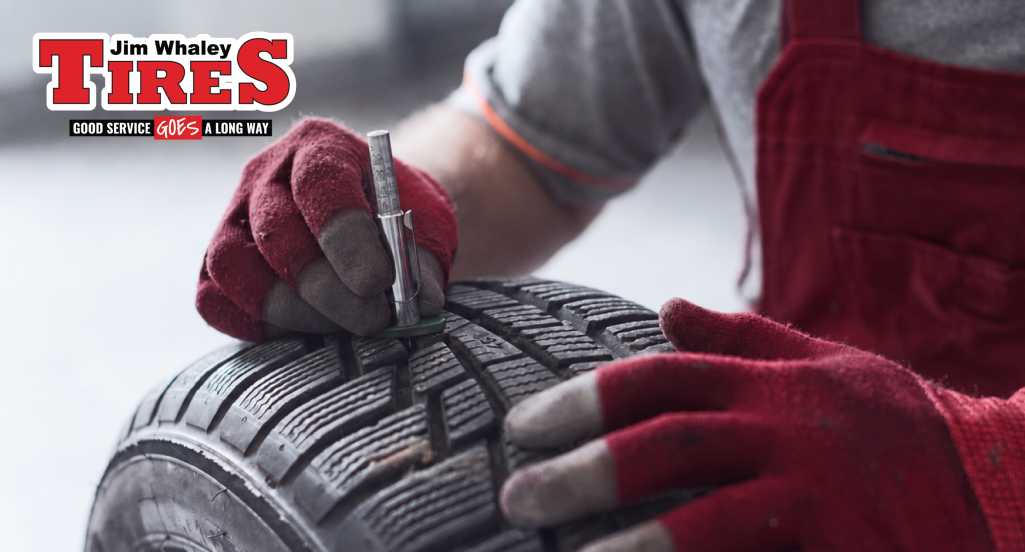
NHTSA considers 2/32 of an inch the minimum tread depth at which tires should be replaced. Built-in treadwear indicators also become level with the surrounding tread when the tire reaches that point.
Tread also plays an important role on wet roads because the grooves help channel water away from the contact area. As tread wears down, the tire can have less ability to manage water and maintain traction.
You can perform a basic visual check at home, but a professional inspection can identify problems that are harder to see. A technician can look for irregular wear, damage, sidewall concerns, and differences between tires.
Do not wait until a tire looks completely bald before taking action. If you notice rapid tread loss, uneven wear, or a major difference between tires on the same axle, find out what is causing it.
Does Tire Age Matter If the Tread Looks Good
Yes. Tire age matters because rubber and other tire materials change over time. Heat, sunlight, storage conditions, inflation, use, and other environmental factors can contribute to aging.
NHTSA says some vehicle and tire manufacturers recommend replacing tires that are six to 10 years old, regardless of tread remaining. Michelin recommends replacing tires as a precaution at 10 years from the date of manufacture.
This is especially important for vehicles that are driven infrequently. A car that sits in a driveway for long periods may accumulate fewer miles while its tires continue to age.
To determine when a tire was manufactured, look for the DOT Tire Identification Number on the sidewall. The final four digits indicate the production week and year. For example, a code ending in 2322 indicates the 23rd week of 2022.
If you have an older vehicle, check all four tires because they may not have been manufactured at the same time.
HONEST SERVICE.
REAL SAVINGS.
CLAIM YOURS AND BOOK
AN APPOINTMENT
VIEW ALL COUPONS
What Are the Signs You Need New Tires
Knowing the warning signs can help you act before a tire becomes a serious safety concern. Some problems are obvious, while others show up as changes in how your vehicle feels.
- Low or recurring pressure – If one tire repeatedly loses air, adding air may only address the symptom. A puncture, valve issue, wheel problem, or other leak may be responsible and should be inspected.
- Cracks in the sidewall – Visible cracking can indicate rubber deterioration. Do not ignore cracks simply because the tread still appears deep.
- Bulges or bubbles – A bulge can indicate internal structural damage, often following a significant impact. A damaged tire should be professionally evaluated promptly.
- Uneven tread wear – Wear concentrated on one edge, the center, or isolated sections can point to inflation, alignment, suspension, or rotation issues.
- Vibration or shaking – A new vibration can result from an imbalance, wheel problem, tire damage, or another mechanical issue. It deserves attention rather than being dismissed as normal.
- Treadwear indicators showing – When the tread reaches the built-in indicators, the tire has reached the manufacturer’s wear limit represented by those indicators and should be replaced.
- Frequent loss of traction – A noticeable change in wet-road grip can be a warning that the tires are approaching the end of their useful service.
- Visible cuts or exposed cords – Serious cuts or exposed internal material are reasons to stop relying on the tire and seek professional assistance.
A tire can look acceptable from a distance while harboring a problem that becomes obvious on closer inspection. If something about the ride, steering, pressure, or appearance has changed, it is worth having the vehicle checked.
How Can You Make Tires Last Longer
You cannot prevent normal wear, but good maintenance can help you get more useful service from your tires. It can also make problems easier to spot before they become expensive repairs.
- Check pressure monthly – Use a reliable gauge when the tires are cold. The recommended pressure comes from the vehicle manufacturer, not the maximum pressure printed on the tire sidewall.
- Rotate as recommended – Follow the rotation schedule in your owner’s manual. Regular rotation can help prevent one pair of tires from wearing significantly faster than the other.
- Keep the wheels aligned – Proper alignment helps the tread meet the road more evenly. If the vehicle pulls, the steering wheel is crooked, or wear appears uneven, have the alignment checked.
- Balance the wheels – Proper balancing helps reduce vibration and can support even wear. Balancing is especially important when installing new tires or when a vibration develops.
- Avoid unnecessary hard impacts – Slow down for potholes and approach curbs carefully. Even a single severe impact can damage a tire or wheel.
- Inspect before long trips – Look at the tread and sidewalls, check pressure, and make sure the spare and emergency equipment are ready before leaving town.
- Respond to TPMS warnings – A tire pressure monitoring system can alert you when pressure drops significantly, but it should complement regular manual checks rather than replace them.
NHTSA specifically recommends combining proper inflation with regular inspections, rotation, balancing, and alignment to help tires last longer.
Good maintenance also gives you an opportunity to catch small issues before they turn into larger expenses. A five-minute inspection can be especially valuable before a long drive on an Alabama highway.
How Do You Know When Tire Replacement Is Necessary
Tire replacement should be based on the complete condition of the tire rather than mileage alone. Tread wear, damage, age, pressure problems, and vehicle performance all deserve consideration.
For example, a tire with adequate tread may still require attention if it has a sidewall bulge or significant cracking. Likewise, a relatively new tire with severe uneven wear may indicate an alignment or suspension issue that needs to be addressed before another set is installed.
A professional inspection can help answer questions such as:
- Is the remaining tread safe for continued driving?
- Is the wear pattern normal?
- Are the tires aging beyond the manufacturer’s recommended service period?
- Is a tire losing air because of a repairable issue?
- Does the vehicle need alignment or balancing service?
- Should all four tires be replaced together?
When replacing tires, make sure the new tires match the vehicle’s required size, load rating, and speed rating. NHTSA recommends using the original tire size or another size approved by the vehicle manufacturer.
Keep Your Tires Ready for the Road With Jim Whaley
So, how long do tires last? The answer depends on much more than the number on your odometer. Proper inflation, regular rotation, alignment, driving habits, road conditions, climate, tread condition, and age all influence how long your tires can provide dependable service.
For drivers near Boll Weevil Circle in Enterprise and those throughout Dothan, Ozark, Eufaula, and Marianna, regular tire inspections can help you catch wear and damage before they become bigger problems. Jim Whaley can help you evaluate your tires and determine whether they need maintenance or replacement.
If you are unsure about your tires, schedule an appointment with Jim Whaley Tires at jimwhaleytires.com. A professional inspection can give you a clearer picture of your tires’ condition and help you make a confident decision before your next commute or road trip.