


Buying new tires can feel overwhelming when several brands, tread designs, and price points all promise dependable performance. However, the right choice becomes easier when you understand what your vehicle needs and how you use it every day.
Learning how to choose the right tires matters for drivers who commute through Enterprise, travel along Boll Weevil Circle, or take longer trips across southeast Alabama and the Florida Panhandle. Your tires influence braking, steering, comfort, fuel economy, and your ability to maintain control when the pavement gets wet.
This guide explains what to check before buying, which tire features deserve your attention, and how to compare options without paying for features you rarely use.
TL;DR on How to Choose the Right Tires
- Start with the correct fit. Check your owner’s manual or driver’s door tire information label for the approved tire size, load capacity, and speed rating.
- Match tires to your driving. Consider your daily commute, highway mileage, vehicle type, and occasional trips on rougher roads.
- Prioritize wet-road grip. Look at independent performance tests, tread design, and wet-braking performance rather than appearance alone.
- Compare the full cost. Consider expected tread life, warranty terms, ride comfort, and maintenance requirements alongside the purchase price.
- Get a professional fit check. A tire inspection at Jim Whaley Tires on Boll Weevil Circle can help you compare suitable options for your vehicle and budget.
How to Choose the Right Tires for Your Driving Needs
Before comparing brands, think about the conditions your tires encounter most often. A driver who spends most of the week commuting on paved roads needs different performance characteristics from someone who regularly carries heavy cargo or travels on unpaved surfaces.
Start by identifying your priorities. This makes it easier to narrow down the options and avoid paying extra for capabilities that do not fit your routine.
1. Consider your typical driving conditions
The same tire can perform differently depending on the vehicle, road surface, weather, and driving habits. Think about where you spend most of your time behind the wheel.
- Daily commuting – Prioritize predictable braking, comfortable handling, and dependable wet-weather grip if you travel through town regularly.
- Highway driving – Look for stable handling, reasonable road noise, and tread-life characteristics suited to longer distances.
- Frequent rain – Compare wet-braking performance and designs that help channel water away from the tire’s contact area.
- Rough or unpaved roads – Consider construction and durability suited to gravel, uneven surfaces, and occasional road debris.
- Heavy loads or towing – Choose tires that meet the vehicle manufacturer’s load requirements and are appropriate for your intended use.
For drivers traveling around Boll Weevil Circle, a balanced tire that handles everyday pavement and sudden rain showers may be more useful than an aggressive tire designed mainly for off-road use.
Your driving habits also change over time. If a new job increases your highway mileage or you begin towing a trailer, revisit your tire requirements before your next replacement.
2. Choose a tire category that fits your vehicle
Tire categories are designed to balance different performance goals. Understanding their strengths helps you decide which options deserve a closer look.
- Touring tires – Often suit passenger cars and crossovers when comfort, everyday handling, and useful tread life are priorities.
- Grand touring tires – Typically emphasize a refined ride and balanced performance for regular commuting and longer journeys.
- Performance tires – Focus on steering response and cornering grip, although some prioritize these characteristics over tread life or ride comfort.
- Highway tires – Designed for paved-road use on compatible SUVs and light trucks, with an emphasis on stable everyday driving.
- All-terrain tires – Offer tread and construction suited to mixed paved and unpaved use, often with additional road noise compared with highway-focused designs.
The category name alone cannot tell you how well a specific tire will perform. Compare the actual model’s test results, warranty, fitment, and intended use before deciding.
For many passenger vehicles, all-season touring models are a sensible starting point. Drivers with specialized needs should compare other categories before making a final choice.
What Tire Features Matter Most for Better Traction
Traction depends on several interacting factors, including rubber compound, tread design, road conditions, tire pressure, and remaining tread depth. No single feature guarantees that a tire will grip well in every situation.
3. Compare tread design and wet-road performance
The grooves and channels across a tire’s surface help move water away from the contact area. As tread wears down, the tire becomes less capable of managing water, increasing the risk of losing contact with the road.
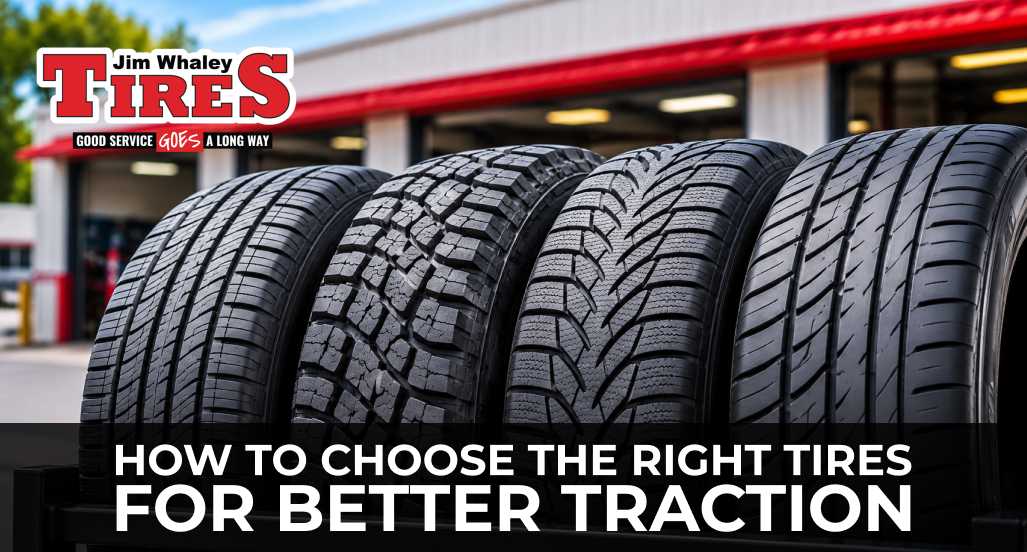
When comparing tire traction and tread pattern, consider how the tire performs in conditions you encounter regularly rather than choosing based on an aggressive-looking design.
Look for these details when evaluating options.
- Water evacuation grooves – Longitudinal and lateral channels help move water through the tread, although effectiveness varies by tire design.
- Siping – Small cuts in the tread blocks create additional edges that can support grip in certain conditions.
- Rubber compound – The compound influences grip, wear, and performance across different temperatures.
- Tread block arrangement – The size and layout of tread blocks affect handling, noise, and contact with the road.
- Independent wet-braking results – Comparative tests can help reveal differences between tire models that look similar.
The best tires for wet roads are not necessarily the most expensive or the ones with the deepest-looking grooves. Review model-specific wet braking and handling tests when available, and remember that worn tires cannot perform like new ones.
If rain is a frequent concern, ask a tire professional to explain the trade-offs between wet grip, tread life, comfort, and cost. These details often matter more than small differences in brand reputation.
4. Understand traction grades and treadwear ratings
Some passenger tires sold in the United States display Uniform Tire Quality Grading (UTQG) information. This system provides useful comparison points, but it does not replace independent testing or vehicle-specific fitment advice.
- Traction grade – Indicates performance in standardized wet straight-line braking tests. Grades range from AA to C, with AA the highest.
- Treadwear grade – Provides a relative wear comparison under the grading system’s testing conditions. It is not a guaranteed mileage estimate.
- Temperature grade – Indicates resistance to heat under specified test conditions.
- Manufacturer test data – Can provide additional information about wet braking, handling, noise, and expected wear.
- Warranty details – Explain the conditions and limitations attached to a manufacturer’s tread-life coverage.
A higher treadwear number does not automatically mean a tire offers better wet traction. Likewise, a strong traction grade does not tell you everything about cornering, hydroplaning resistance, or performance as the tire ages.
Use these ratings as screening tools, then compare the specific models you are considering.
How to Confirm the Right Tire Size for Your Vehicle
Even an excellent tire can be a poor choice if it does not meet your vehicle’s requirements. Size, load capacity, and speed rating affect fitment and performance, so confirm these details before shopping.
5. Read the tire size and sidewall markings
Your current tire’s sidewall contains information that helps identify its size and capabilities. However, do not rely on the sidewall alone if the previous owner may have installed a nonstandard size.
Check your owner’s manual or the Tire and Loading Information label on the driver’s door area for the manufacturer’s recommendations.
For example, a tire marked P215/60R16 95H contains several pieces of information:
- P – Indicates a passenger-type tire designation.
- 215 – The nominal section width in millimeters.
- 60 – The aspect ratio, meaning the sidewall height is 60% of the nominal width.
- R – Indicates radial construction.
- 16 – The wheel diameter in inches.
- 95 – The load index, which corresponds to a specified load capacity.
- H – The speed symbol associated with a specified speed category.
The example is for illustration only, not a recommendation for a particular vehicle.
When comparing tire size and load rating, confirm that the replacement meets the manufacturer’s specifications. An alternative size may be appropriate for some vehicles, but a qualified tire professional should verify compatibility before you make the change.
6. Match the tire to your car, SUV, or truck
Different vehicles place different demands on their tires. Weight, suspension design, wheel size, and intended use all affect which options are suitable.
- Compact cars and sedans – Look for compatible tires that balance braking, handling, comfort, and daily operating costs.
- Crossovers – Consider tires designed for your vehicle’s weight and wheel specifications, with attention to wet grip and highway comfort.
- SUVs – Check the required load capacity and choose a tread design suited to your mix of pavement and occasional rough roads.
- Pickup trucks – Confirm whether the vehicle needs passenger-type, light-truck, or another approved tire specification, especially when carrying heavy loads.
- Vehicles with different front and rear sizes – Verify each axle’s requirements and whether tire rotation is permitted.
Do not assume a larger wheel or wider tire will automatically improve traction. Changes to the original fitment can affect ride comfort, handling, clearance, and other vehicle characteristics.
If you are unsure, bring your vehicle information or ask a technician to confirm the approved specifications before ordering.
How to Compare Tire Prices and Long-Term Value
The cheapest set of tires may cost less at checkout, but the initial price does not tell you how much value you will get over time. A better comparison includes expected tread life, performance, warranty coverage, and installation costs.
7. Compare the total cost, not just the sticker price
Set a budget before visiting a tire shop, then compare options that meet your vehicle’s requirements. You can often find a suitable tire without choosing the cheapest model or paying for premium features you do not need.
- Purchase price – Compare the cost per tire and the total price for the set you need.
- Installation charges – Ask whether mounting, balancing, valve service, and other applicable fees are included.
- Tread-life warranty – Check the mileage estimate, eligibility requirements, and conditions that could affect coverage.
- Maintenance expenses – Regular rotations, pressure checks, and alignment corrections when needed can help protect your investment.
- Replacement availability – Consider how easily you can obtain a matching tire later, especially if you need to replace one damaged tire.
For example, a less expensive tire may be a reasonable purchase for a driver with low annual mileage. Someone who regularly drives long highway distances may prefer a model with stronger documented tread-life performance, provided it also meets their traction and comfort needs.
Do not treat a mileage warranty as a promise that the tires will last for that exact distance. Actual wear depends on driving habits, vehicle condition, inflation pressure, road surfaces, and maintenance.
8. Decide if all-season tires fit your routine
For many drivers in Enterprise, all-season tires are worth considering because they can handle a broad range of everyday conditions without requiring seasonal tire changes.
When evaluating all-season tires for daily driving, compare the specific model’s wet braking, ride quality, tread life, and handling. Some models prioritize comfort and longevity, while others focus more on responsive steering or grip.
Ask these questions before choosing:
- Does the tire meet your vehicle’s approved specifications?
- Does it offer suitable wet-weather performance for your regular routes?
- Is the ride comfortable enough for your commute and longer trips?
- Does the warranty match your expectations and driving mileage?
- Are its performance trade-offs acceptable for your needs?
All-season tires for daily driving are often a practical choice for commuters who want balanced performance on paved roads. However, the label does not mean every tire performs equally well in heavy rain, severe cold, or other demanding conditions.
A tire professional can help you compare all-season tires for daily driving with touring or performance alternatives if you have specific priorities.
Common Tire-Buying Mistakes to Avoid
A few purchasing mistakes can lead to poor performance, unnecessary expense, or compatibility problems. Take time to check the details before approving a set of new tires.
- Choosing by brand alone – A well-known manufacturer may offer several tire lines with different strengths. Compare individual models rather than assuming every tire from one brand performs the same way.
- Buying the lowest-priced option without checking specifications – Confirm size, load capacity, speed rating, and the tire’s intended use before comparing prices.
- Ignoring wet-weather performance – A tire that feels comfortable on dry pavement may perform differently in standing water. Review wet-braking results and tread condition.
- Mixing incompatible tires – Differences in size, construction, tread design, or wear can affect vehicle handling. Follow the manufacturer’s recommendations for matching tires.
- Overlooking installation and maintenance – Improper inflation, poor balancing, or incorrect alignment can undermine the performance of a suitable tire.
The goal is to find a tire that meets your needs and remains dependable throughout its service life. Spending a few minutes checking the specifications can prevent an expensive mistake later.
How to Protect Your Tires After Buying Them
Even a well-chosen set needs routine care. Proper maintenance helps preserve tread, maintain predictable handling, and identify problems before they become serious.
9. Follow a consistent tire maintenance routine
Use the following habits as a starting point, adjusting the schedule to your owner’s manual and the conditions you encounter.
- Check pressure monthly – Measure all tires, including the spare when applicable, while they are cold. Use the pressure recommended by the vehicle manufacturer, not the maximum printed on the tire sidewall.
- Inspect tread and sidewalls – Look for uneven wear, cracks, cuts, embedded objects, and bulges. Have concerning damage assessed promptly.
- Rotate tires as recommended – Follow the vehicle manufacturer’s rotation schedule and pattern. Some vehicles with different front and rear tire sizes cannot use a conventional rotation pattern.
- Check alignment when symptoms appear – Uneven tread wear, steering pull, or a crooked steering wheel can indicate an alignment issue or another mechanical concern.
- Pay attention to warning signs – Persistent air loss, unusual vibration, or declining wet-road control calls for a professional inspection.
NHTSA recommends checking tire pressure at least monthly and following the vehicle manufacturer’s specifications. Its tire guidance also notes that appropriate inflation, rotation, balancing, and alignment can help improve tire life and safety.
Drivers around Boll Weevil Circle should also inspect tires after striking a pothole or curb. A hard impact can damage a tire or wheel even when the damage is not immediately obvious.
10. Know when it is time to replace your tires
Tread depth is one important indicator, but it is not the only reason to replace a tire. Damage, age, and changes in performance can also affect safety.
- Worn tread indicators – Replace tires when the tread reaches the built-in wear indicators, which correspond to approximately 2/32 inch of remaining tread depth.
- Reduced wet-road grip – Consider replacement sooner when rain performance has deteriorated. Tire Rack identifies approximately 4/32 inch as a useful consideration for drivers concerned about wet-road traction, although actual needs depend on conditions and tire design.
- Sidewall bulges or structural damage – Have the tire inspected immediately. A bulge can indicate internal damage and generally requires replacement.
- Repeated pressure loss – A puncture, damaged valve, wheel problem, or other issue may be responsible. Have the cause identified rather than repeatedly adding air.
- Age-related deterioration – Check the tire manufacturer’s age guidance and inspect for cracking or other signs of deterioration, even when the tread appears adequate.
Do not rely on tread depth alone to decide if a damaged tire is safe. If you notice a bulge, exposed cords, or a sudden loss of pressure, stop driving when it is unsafe to continue and arrange professional assistance.
HONEST SERVICE.
REAL SAVINGS.
CLAIM YOURS AND BOOK
AN APPOINTMENT
VIEW ALL COUPONS
Where to Get Help Choosing Tires on Boll Weevil Circle
Comparing tires online is a useful first step, but professional guidance can help you confirm fitment and narrow down the options that make sense for your vehicle.
Jim Whaley Tires has an Enterprise location at 536 Boll Weevil Circle, Enterprise, AL 36330. The team offers tire sales and installation, along with services such as wheel alignment and tire pressure monitoring system checks.
Before visiting, prepare the following information:
- Your vehicle’s year, make, and model.
- Your current tire size or a photo of the driver’s door tire label.
- Your typical driving conditions and annual mileage.
- Your preferred budget and any concerns about wet-road grip, comfort, or tire noise.
- Any unusual wear, vibration, or pressure-loss symptoms you have noticed.
This information helps the team identify compatible options and explain the differences between them. You can then compare the benefits and costs before deciding which tires to purchase.
Frequently Asked Questions
What tires offer the best traction in the rain?
The best tires for wet roads combine effective water evacuation, suitable rubber compounds, and strong wet-braking performance. Compare independent tests for the specific models that fit your vehicle, and replace tires when wear or damage compromises their performance.
Are expensive tires always better?
No. A more expensive tire may offer better performance in certain areas, but the best value depends on your driving needs, vehicle requirements, and budget. Compare warranty terms, wet-road performance, expected tread life, and installation costs before deciding.
How do I know which tire size my vehicle needs?
Check your owner’s manual or the Tire and Loading Information label on the driver’s door area. When comparing tire size and load rating, confirm that the replacement meets your vehicle manufacturer’s specifications. Ask a qualified tire professional to verify any proposed alternative size.
Choose the Right Tires With Jim Whaley Tires
Knowing how to compare tread designs, tire categories, fitment, and long-term costs makes buying new tires less stressful. Focus on the features that matter for your regular routes, and do not assume that the most expensive tire or the most aggressive tread will automatically give you the best results.
For drivers around Enterprise and Boll Weevil Circle, a professional inspection can help identify the right options for local commuting, highway trips, and rainy conditions. A closer look at tire traction and tread pattern, combined with correct fitment and regular maintenance, can help you make a better-informed decision.
When you are ready to compare options, Jim Whaley Tires can help you review compatible tires and installation needs for your vehicle.
Visit Jim Whaley Tires at 536 Boll Weevil Circle in Enterprise, Alabama, or schedule an appointment online at Jim Whaley Tires.
Bring your vehicle details, ask about available tire options, and discuss the balance of traction, comfort, durability, and price that suits your driving. The right recommendation should fit your vehicle and your real-world needs, so you can drive with greater confidence.