


Driving around Enterprise can put plenty of miles on your tires. Routes around Boll Weevil Circle connect important parts of the city, and regular commuting can make tire wear easy to overlook. That is why following a few practical Boll Weevil Circle tire tips can help you catch small problems before they turn into an inconvenient roadside issue.
Your tires affect braking, steering, handling, and traction every time you drive. In this guide, we will cover the checks Enterprise drivers should make regularly, the warning signs that deserve attention, and simple ways to keep tires performing properly.
TL;DR – Boll Weevil Circle Tire Tips
- Check tire pressure using the vehicle’s recommended PSI.
- Inspect tread for low depth, bald spots, cupping, or uneven wear.
- Look for sidewall bulges, cuts, cracks, or exposed cords.
- Watch for vibrations, pulling, steering changes, or unusual noise.
- Get a professional inspection if you notice a problem.
Why Boll Weevil Circle Tire Tips Matter
Tires gradually change as they accumulate mileage. The tread becomes thinner, rubber ages, pressure fluctuates, and impacts from potholes, curbs, and road debris can cause damage that is difficult to see at first.
Enterprise drivers also have to account for Alabama’s warm climate. Higher temperatures can affect tire pressure, while prolonged heat and sun exposure can accelerate rubber aging.
Following good tire maintenance tips in Enterprise AL drivers can use throughout the year makes it easier to notice changes before they affect handling.
The goal is not to inspect your tires obsessively. A quick routine performed consistently is much more useful. Check your tires when you fuel up, before a long trip, or whenever the vehicle starts feeling different.
How Often Should You Check Your Tires
A simple inspection routine can prevent many problems from going unnoticed. You do not need special equipment for a basic visual check, although an accurate tire pressure gauge is a useful item to keep in your vehicle.
Use these checkpoints as a practical routine.
- Check pressure at least monthly – Tire pressure can change with temperature and normal air loss. Check when the tires are cold for the most useful reading.
- Inspect before long trips – Look over all four tires and the spare before traveling outside Enterprise. A problem that seems minor in the driveway can become much harder to deal with on the road.
- Look at the tread regularly – Check across the width of each tire instead of inspecting only the outside edge. Uneven wear can reveal alignment, suspension, or inflation problems.
- Examine the sidewalls – Look for cuts, cracks, bulges, or objects that may have damaged the tire. Sidewall damage deserves professional evaluation because this area handles significant flexing while you drive.
- Pay attention after impacts – If you hit a pothole, curb, or other hard object, check the tire and wheel afterward. Some damage can develop internally even when the tire initially appears fine.
A consistent inspection routine also helps you recognize changes in your vehicle. If a tire repeatedly loses pressure or develops unusual wear, simply adding air may hide the symptom without addressing the underlying problem.
For drivers who want additional peace of mind, a professional inspection can identify issues that are difficult to spot during a quick driveway check.
What Tire Pressure Should You Use
Correct inflation is one of the simplest and most important parts of tire care. The recommended pressure for your vehicle is generally listed on the driver’s doorjamb label or in the owner’s manual.
Do not use the maximum pressure molded into the tire sidewall as your normal target. That number describes the tire’s maximum allowable inflation under specified conditions, while your vehicle manufacturer provides the recommended operating pressure for your vehicle.
Good tire safety tips in Enterprise AL include checking pressure when the tires are cold and using the same reliable gauge each time.
Underinflation can increase heat buildup and cause the tire to flex more than intended. Overinflation can reduce the tire’s contact area with the road and may affect ride and handling.
Check all four tires because pressures can vary. If one tire repeatedly loses air while the others remain stable, have it inspected for a puncture, valve problem, wheel issue, or other source of leakage.
HONEST SERVICE.
REAL SAVINGS.
CLAIM YOURS AND BOOK
AN APPOINTMENT
VIEW ALL COUPONS
What Does Uneven Tire Wear Mean
Uneven tread wear is one of the most useful clues your tires can give you. The location and pattern of the wear can help point toward a problem with inflation, alignment, balance, suspension, or tire rotation.
Common patterns include:
- Center tread wear – Excessive inflation can cause the center portion of the tread to wear faster than the edges.
- Both shoulder areas worn – Underinflation can cause increased wear along both outer edges of the tread.
- One edge wearing faster – Alignment problems can cause one side of the tread to contact the road differently.
- Cupped or scalloped tread – Repeated dips or raised areas can indicate wheel balance, suspension, or other mechanical issues.
- Feathered tread blocks – Tread blocks that feel smooth in one direction and sharp in another can indicate alignment or other wheel-related concerns.
Regular rotation can help promote more even wear when performed according to your vehicle and tire manufacturer’s recommendations. However, rotation cannot correct an underlying alignment or suspension problem.
That is why a tire inspection should consider the entire vehicle rather than treating tread wear as an isolated tire issue.
How Can You Tell If a Tire Is Unsafe
Some tire problems are obvious. Others develop gradually and may be easy to dismiss during a busy day.
These tire safety tips in Enterprise AL can help you recognize situations that deserve prompt attention.
- Watch for bulges – A bulge or bubble in the sidewall can indicate damage to the tire’s internal structure. Have the tire evaluated promptly instead of continuing to drive normally.
- Look for exposed cords – Visible fabric or steel components indicate severe tread or sidewall damage and require immediate attention.
- Check for deep cuts – Surface marks are not always serious, but deeper cuts can compromise the tire’s structure.
- Investigate repeated air loss – A tire that keeps losing pressure may have a puncture, a valve issue, a bead leak, or a wheel problem.
- Take vibrations seriously – A new vibration can result from an imbalance, damaged tire, bent wheel, or another vehicle issue. It should be diagnosed rather than ignored.
A tire can sometimes look acceptable from a distance while having a problem that becomes more noticeable at highway speed. When your vehicle suddenly feels different, getting it checked is usually the smarter choice than waiting to see if the symptom disappears.
When Should You Replace Your Tires
Tread depth is one factor in tire replacement, but it is not the only one.
A tire may need attention because of damage, age, irregular wear, repeated repairs, or deterioration, even when some tread remains.
Look for these signs:
- Very low tread – Reduced tread can limit traction, particularly on wet roads.
- Visible damage – Cuts, bulges, exposed cords, or severe cracking can make a tire unsuitable for continued use.
- Severe uneven wear – Significant wear in one area can reduce the tire’s useful life and may signal another mechanical problem.
- Repeated punctures or air loss – Ongoing pressure loss needs diagnosis instead of repeated inflation.
- Age-related deterioration – Rubber changes as tires age, so tire age should be considered along with mileage and condition.
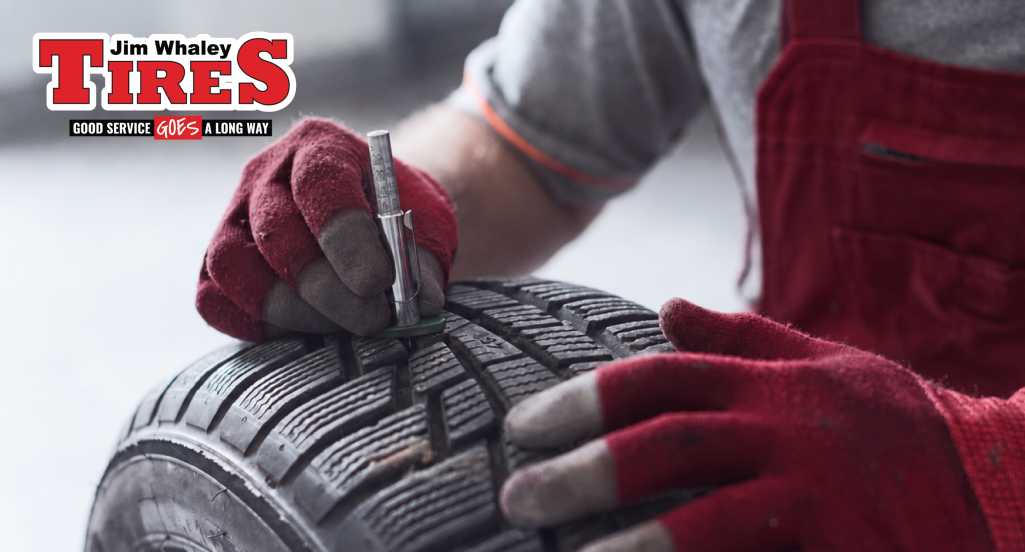
The familiar penny test can provide a rough indication of tread wear, but it should not replace a professional assessment when tires are significantly worn or damaged.
If you are unsure about the condition of your tires, an inspection can give you a clearer answer and help you plan replacement before the situation becomes urgent.
How Boll Weevil Circle Driving Can Affect Tires
Boll Weevil Circle is an important part of Enterprise’s road network, including portions of AL-167 and the US-84 corridor. ALDOT is also proposing improvements to AL-167 along Boll Weevil Circle, making the route particularly relevant to local drivers.
Your tires encounter a variety of conditions during everyday driving. Frequent stops, turns, acceleration, braking, road debris, pavement changes, and hard impacts can all contribute to gradual wear.
That does not mean driving on Boll Weevil Circle automatically damages tires. Rather, the amount and type of driving you do should influence how consistently you inspect them.
A few tire maintenance tips Enterprise AL drivers can use include checking tread after high-mileage periods, monitoring pressure during seasonal temperature changes, and inspecting tires after noticeable impacts.
Drivers who regularly travel throughout Enterprise should also pay attention to how the vehicle feels. Pulling, vibration, wandering, or changes in steering response can be useful early warnings.
When Should You Schedule Tire Service
Knowing when to seek professional help is just as important as knowing how to check your tires at home.
Useful tire service Enterprise AL situations include persistent pressure loss, significant tread wear, vibration, steering changes, visible damage, or uncertainty about whether a tire can safely remain in service.
Professional service can involve several different checks depending on what your vehicle is experiencing.
- Tire inspection – A technician can evaluate tread, sidewalls, inflation, damage, and overall condition.
- Tire rotation – Rotating tires according to manufacturer recommendations can help promote more even tread wear.
- Wheel balancing – Proper balance can help address certain vibration and uneven-wear concerns.
- Wheel alignment – Alignment service can help correct wheel-angle problems that contribute to pulling or irregular tread wear.
- Tire replacement – When a tire has reached the end of its useful life, selecting the appropriate replacement helps restore safe and predictable performance.
The right service depends on the symptom and the vehicle’s condition. A good inspection should help explain what is happening instead of simply recommending parts without context.
Put These Boll Weevil Circle Tire Tips Into Practice
Good tire care starts with simple habits. Check your pressure, inspect the tread and sidewalls, and address unusual wear, vibration, or air loss early.
For drivers around Boll Weevil Circle, these simple checks can help keep daily driving safer and more predictable. If something looks or feels unusual, Jim Whaley Tires can inspect your tires and recommend the right service.
Schedule service with Jim Whaley Tires