


Driving along Highway 231 can be a routine part of your day, whether you’re commuting to work, heading out on a road trip, or running errands around town. However, like many major highways, it presents unique challenges that can increase the risk of accidents if drivers are not prepared. Understanding the common driving hazards on Hwy 231 can help you stay alert, protect your passengers, and reduce unnecessary wear on your vehicle.
Highway 231 requires motorists to stay focused behind the wheel. For local car owners, SUV drivers, and first-time vehicle owners throughout Alabama and Florida, recognizing these risks is an important part of safe driving. In this guide, you’ll learn what hazards to expect, practical ways to avoid them, and how proper vehicle maintenance from Jim Whaley Tires can help keep you safe on every trip.
TL;DR – Common Driving Hazards in Hwy 231 Quick Takeaways
- Common driving hazards on Hwy 231 include distracted drivers, changing weather, road construction, wildlife crossings, and poor road conditions.
- Following the Hwy 231 driving safety tips helps reduce the likelihood of collisions and unexpected breakdowns.
- Regular tire safety on Hwy 231 inspections improve traction, braking performance, and overall vehicle control.
- Practicing defensive driving on Hwy 231 allows you to react safely to unpredictable traffic situations.
- Routine car maintenance for highway driving prepares your vehicle for long trips and changing road conditions.
Why Common Driving Hazards on Hwy 231 Deserve Your Attention
Highway 231 stretches through numerous communities across Alabama and into the Florida Panhandle, serving thousands of drivers every day. It connects busy cities, rural towns, commercial areas, and popular travel destinations. Because of its varied driving environments, motorists may encounter changing road conditions over a short distance.
Traffic patterns can shift quickly during rush hour, holiday weekends, or severe weather. Even experienced drivers can find themselves facing situations that require quick decisions. Learning about the common driving hazards in Hwy 231 before they become emergencies helps you stay confident behind the wheel.
According to the National Highway Traffic Safety Administration (NHTSA), thousands of fatal crashes each year involve speeding, distracted driving, or impaired driving. Many of these collisions are preventable when drivers remain attentive and vehicles are properly maintained. This highlights why routine inspections and safe driving habits work together to reduce risk.
Whether you regularly travel through Dothan, Montgomery, Tallassee, Opelika, or communities near Panama City, staying aware of local driving conditions helps protect both your family and other motorists sharing the road.
Common Driving Hazards on Hwy 231 Every Driver Should Expect
Every highway has its own challenges, and Highway 231 is no exception. Some hazards appear every day, while others depend on weather, traffic, or seasonal travel. Understanding these risks allows you to anticipate problems before they develop.
Heavy Traffic and Congestion
Traffic volume changes throughout the day, especially near shopping districts, schools, and major intersections. Drivers often become impatient when congestion builds, increasing the chance of unsafe maneuvers.
Some common traffic-related concerns include:
- Sudden stop-and-go traffic – Vehicles may brake unexpectedly, leaving little room for following drivers who are not maintaining a safe distance.
- Frequent lane changes – Drivers trying to move ahead often switch lanes without checking blind spots or signaling properly.
- Busy intersections – Entering and exiting Highway 231 requires extra caution because traffic speeds can vary significantly.
- Holiday travel surges – Vacation traffic can create unfamiliar driving conditions, especially for visitors traveling through Alabama and Florida.
- Commercial vehicle traffic – Delivery trucks and tractor-trailers require more space to stop and have larger blind spots than passenger vehicles.
Before entering heavy traffic, follow Hwy 231 driving safety tips, such as increasing your following distance and minimizing distractions, to give yourself more time to react. Patience often prevents situations that aggressive driving only makes worse.
Traffic conditions also place extra demands on your brakes and tires. Regular vehicle inspections help ensure your vehicle performs reliably when frequent stopping becomes unavoidable.
Distracted Drivers
Distracted driving remains one of the leading causes of roadway accidents nationwide. Even a few seconds of inattention can dramatically increase the likelihood of a collision.
Watch for these common distractions:
- Mobile phone use – Texting, checking notifications, or using social media takes a driver’s eyes away from the road.
- Navigation adjustments – Programming a GPS while driving reduces situational awareness.
- Eating or drinking – Handling food limits steering control and delays reaction time.
- Passenger conversations – Animated discussions may draw attention away from surrounding traffic.
- Vehicle controls – Adjusting climate settings or entertainment systems can briefly distract drivers during critical moments.
Practicing defensive driving on Hwy 231 means expecting that other drivers may become distracted without warning. Leave extra space around vehicles that appear to be drifting within their lane or driving inconsistently.
Remaining focused on yourself is equally important. Setting your destination before leaving, silencing unnecessary phone notifications, and keeping both hands on the wheel significantly reduce avoidable risks.
How Vehicle Maintenance Helps You Avoid Highway Hazards
Safe driving begins before you even start the engine. A well-maintained vehicle responds more predictably during emergency braking, sharp turns, and changing weather conditions.
Many drivers focus only on avoiding other vehicles, but mechanical issues can create hazards of their own. Proper car maintenance for highway driving helps reduce the chances of unexpected breakdowns that could leave you stranded on Highway 231.
Routine inspections should include:
- Tire condition – Healthy tread improves grip during wet weather and emergency stops. Prioritizing tire safety on Hwy 231 also reduces the risk of blowouts during long highway trips.
- Brake performance – Responsive brakes shorten stopping distances and improve driver confidence.
- Steering and suspension – Proper alignment helps maintain vehicle stability at highway speeds.
- Battery health – Reliable starting power prevents unexpected breakdowns during busy travel periods.
- Fluid levels – Engine oil, coolant, brake fluid, and transmission fluid all contribute to safe, dependable vehicle operation.
At Jim Whaley Tire in Troy, AL (HWY 231), experienced technicians help drivers throughout Alabama and Florida prepare their vehicles for everyday commuting and long-distance travel. Regular maintenance appointments can identify small problems before they become costly repairs or roadside emergencies.
Proper maintenance also complements safe driving habits. When your vehicle responds exactly as expected, you have greater control over situations that develop unexpectedly on Highway 231.
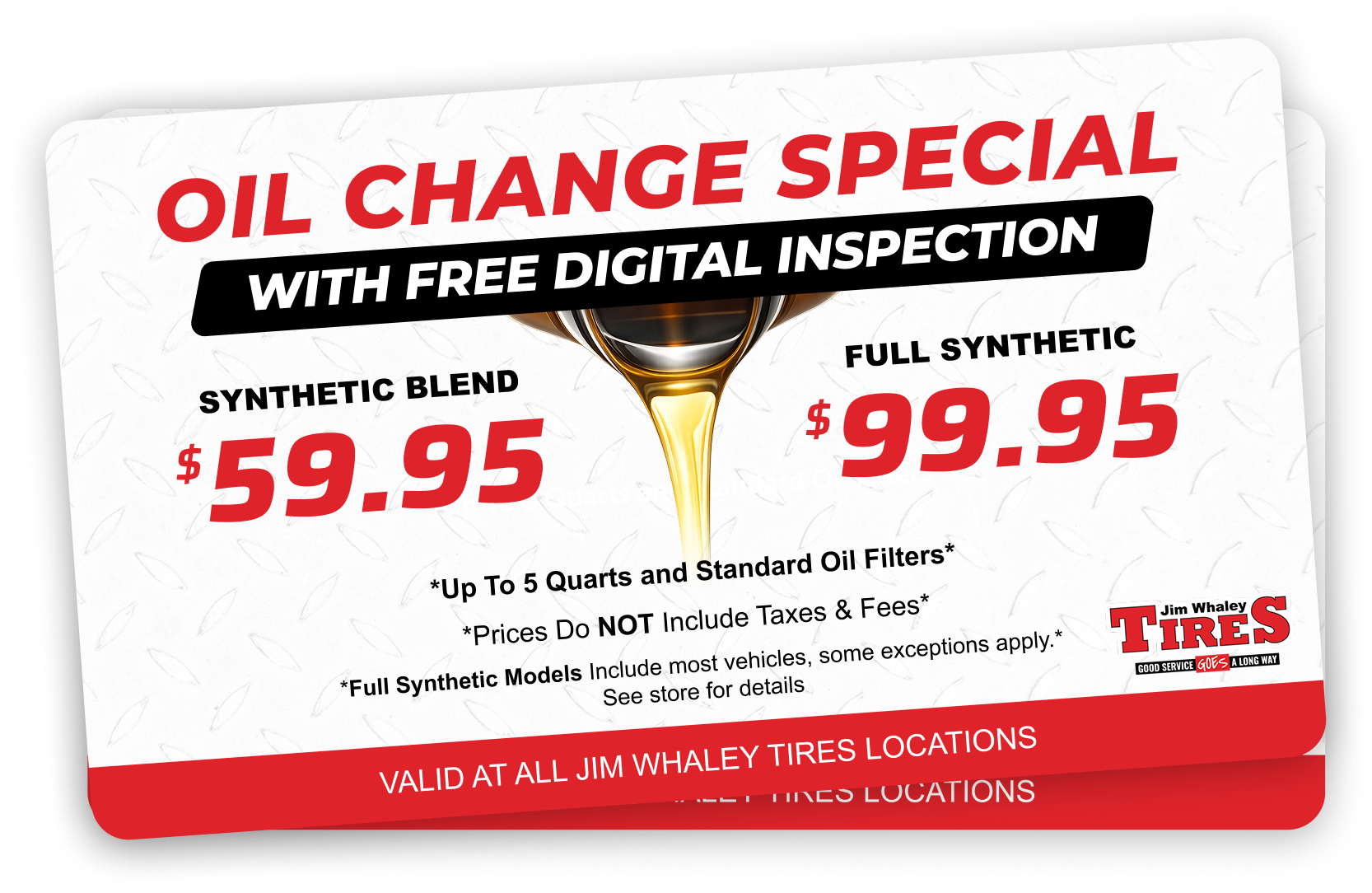
HONEST SERVICE.
REAL SAVINGS.
CLAIM YOURS AND BOOK
AN APPOINTMENT
VIEW ALL COUPONS
Weather-Related Driving Hazards on Hwy 231
The weather can change quickly along Highway 231, especially when traveling between different regions of Alabama and the Florida Panhandle. A clear morning commute can turn into heavy rain by the afternoon, making the road far more challenging than expected. Understanding how different weather conditions affect your vehicle allows you to make safer decisions before problems develop.
Following Hwy 231 driving safety tips during changing weather starts with slowing down, increasing following distance, and making sure your vehicle is ready for the conditions ahead.
Rain and Wet Roads
Rain is one of the most common weather-related hazards drivers encounter on Highway 231. Even light rainfall can make roads slippery, especially after long dry periods when oil and debris have built up on the pavement.
When driving on wet roads, remember these safety practices:
- Reduce your speed – Water decreases tire traction, making it easier to lose control during turns or sudden braking. Driving a little slower gives your tires more grip and increases reaction time.
- Increase following distance – Wet pavement lengthens stopping distances. Leaving extra space between vehicles gives you more room to brake safely.
- Turn on your headlights – Better visibility helps both you and other drivers. Even during daylight rain, headlights make your vehicle easier to see.
- Avoid standing water – Puddles may hide potholes or cause hydroplaning. If water appears deeper than expected, choose another route whenever possible.
- Check windshield wipers regularly – Worn blades reduce visibility during heavy rain. Replacing them before storm season improves safety.
Rain also highlights the importance of tire safety on Hwy 231. Tires with adequate tread channels move water away from the contact patch, helping maintain traction. If your tires are worn, even moderate rain can significantly increase stopping distances.
Fog and Reduced Visibility
Certain stretches of Highway 231 experience early morning fog, particularly near wooded areas, rivers, and low-lying terrain. Limited visibility makes it difficult to judge distances and identify hazards ahead.
If you encounter fog:
- Use low-beam headlights – High beams reflect off the moisture and can reduce visibility even further.
- Slow down gradually – Abrupt braking may surprise drivers behind you. Reduce speed smoothly while staying in your lane.
- Use road markings as guides – Lane lines help maintain proper positioning when visibility is limited.
- Avoid passing other vehicles – Passing requires longer sight distances that fog may eliminate.
- Stay focused ahead – Avoid distractions until visibility improves.
Driving patiently during fog often prevents unnecessary accidents. Even experienced drivers should treat low-visibility conditions with extra caution.
Strong Storms and High Winds
Alabama and Florida both experience thunderstorms that can produce heavy rain, strong wind gusts, and occasional hail. High-profile vehicles like SUVs, pickup trucks, and vans may be affected more by crosswinds.
Before driving through severe weather:
- Monitor weather forecasts – Knowing what conditions lie ahead helps you plan safer travel times.
- Grip the steering wheel firmly – Sudden wind gusts may push your vehicle sideways.
- Avoid sudden steering corrections – Smooth adjustments maintain better vehicle stability.
- Watch for fallen debris – Tree branches and roadway debris become more common during storms.
- Pull over if conditions become dangerous – Waiting for severe weather to pass is often the safest choice.
Preparing your vehicle through proper car maintenance for highway driving gives you added confidence when storms develop unexpectedly.
Drive Safer on Hwy 231 with Jim Whaley Tires
Understanding the common driving hazards in Hwy 231 helps you stay prepared for changing road conditions, heavy traffic, and unexpected obstacles. By practicing safe driving habits and keeping up with routine vehicle maintenance, you can improve your safety and reduce the risk of costly repairs or accidents while traveling throughout Alabama and Florida.
If your vehicle needs new tires, brake service, an alignment, or a routine inspection, Jim Whaley Tires is here to help. Our experienced team is committed to keeping your vehicle road-ready so you can drive Highway 231 with confidence. Schedule your appointment online today and let us help you stay safe every mile.