


Driving along Highway 231 means dealing with long stretches of open road, changing weather conditions, and everyday challenges that can put extra stress on your vehicle. For local car owners, SUV drivers, and first-time vehicle owners, understanding tire safety for Highway 231 drivers can make the difference between a smooth trip and an unexpected roadside emergency.
Your tires are the only part of your vehicle that directly touches the road. When properly maintained, tires help your vehicle handle better, stop safely, and perform more efficiently. However, worn tread, incorrect tire pressure, and neglected maintenance can increase the risk of flats, uneven wear, and tire failures.
In this guide, we’ll cover practical tire care steps that can help you stay safer every time you travel Highway 231.
TL;DR – Tire Safety for Highway 231 Drivers Quick Guide
- Check tire pressure regularly because properly inflated tires improve handling, fuel efficiency, and overall safety.
- Inspect tire tread and damage to catch worn tires before they become dangerous on Highway 231.
- Schedule routine tire maintenance, including rotations, balancing, and alignment checks.
- Watch for warning signs like vibrations, pulling, cracks, or frequent air loss.
- Visit Jim Whaley Tires for professional service for reliable tire inspections, repairs, or replacements.
Why Tire Safety for Highway 231 Drivers Matters
Highway driving places unique demands on your tires. Compared with slower city driving, highway speeds create more heat, increase stopping distances, and leave less time to react when a tire problem occurs.
A tire that appears fine at first glance may still have issues that affect performance. Small problems, such as low air pressure or uneven tread wear, can lead to larger repairs if ignored.
According to the National Highway Traffic Safety Administration, tire-related crashes remain a serious safety concern, and regular tire maintenance plays an important role in preventing failures.
For drivers traveling through areas like Dothan, Enterprise, Ozark, Eufaula, and Marianna, regular tire care helps prepare vehicles for everyday driving conditions, including heat, rain, and long-distance travel.
Common Tire Problems Highway 231 Drivers Should Watch For
Many tire problems start with small warning signs. Knowing what to look for allows you to address issues before they leave you stranded.
Low Tire Pressure Can Reduce Safety
Underinflated tires are one of the most common tire issues drivers face. When a tire has too little air, more of the rubber contacts the road, creating extra heat and friction.
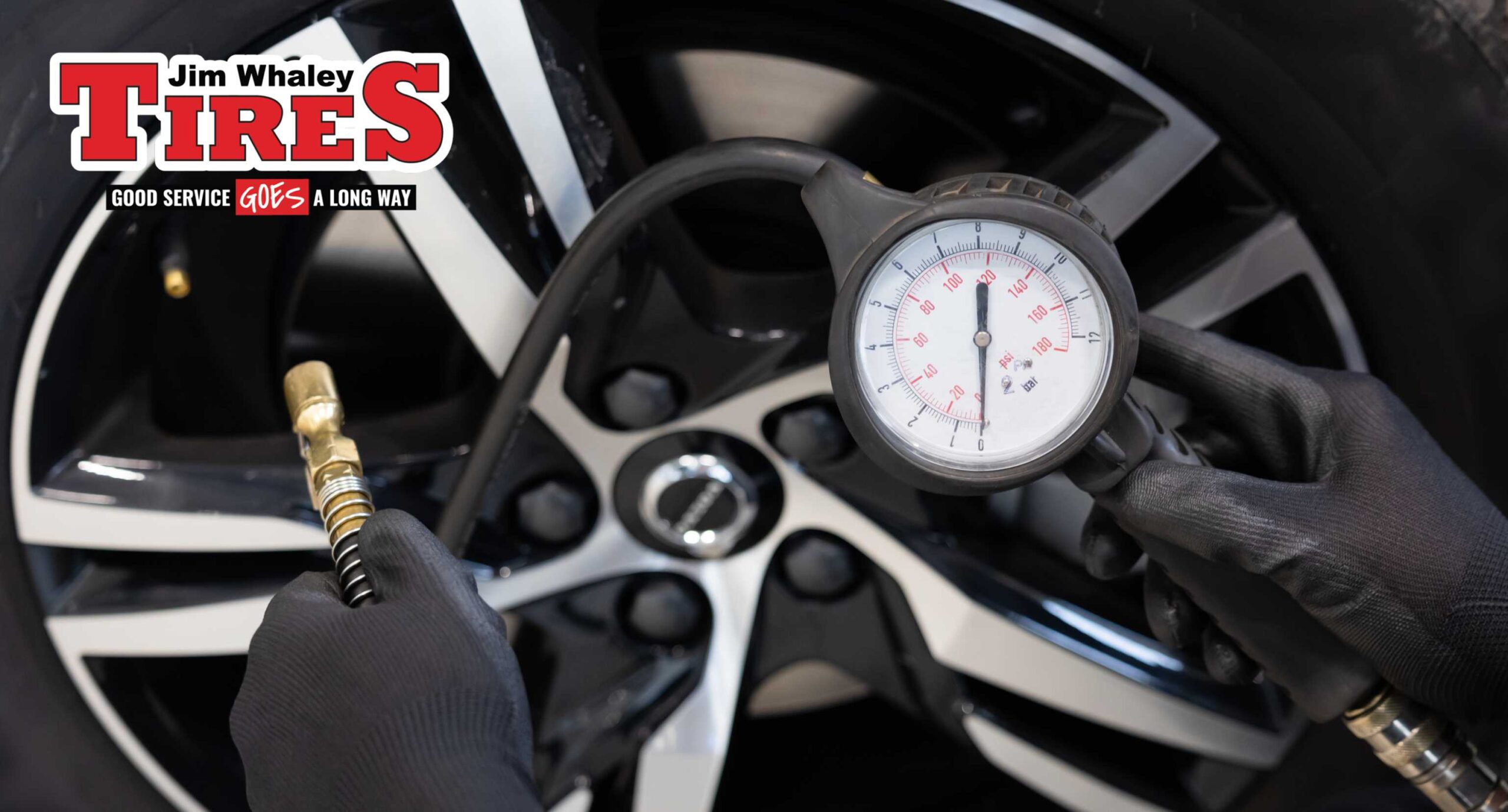
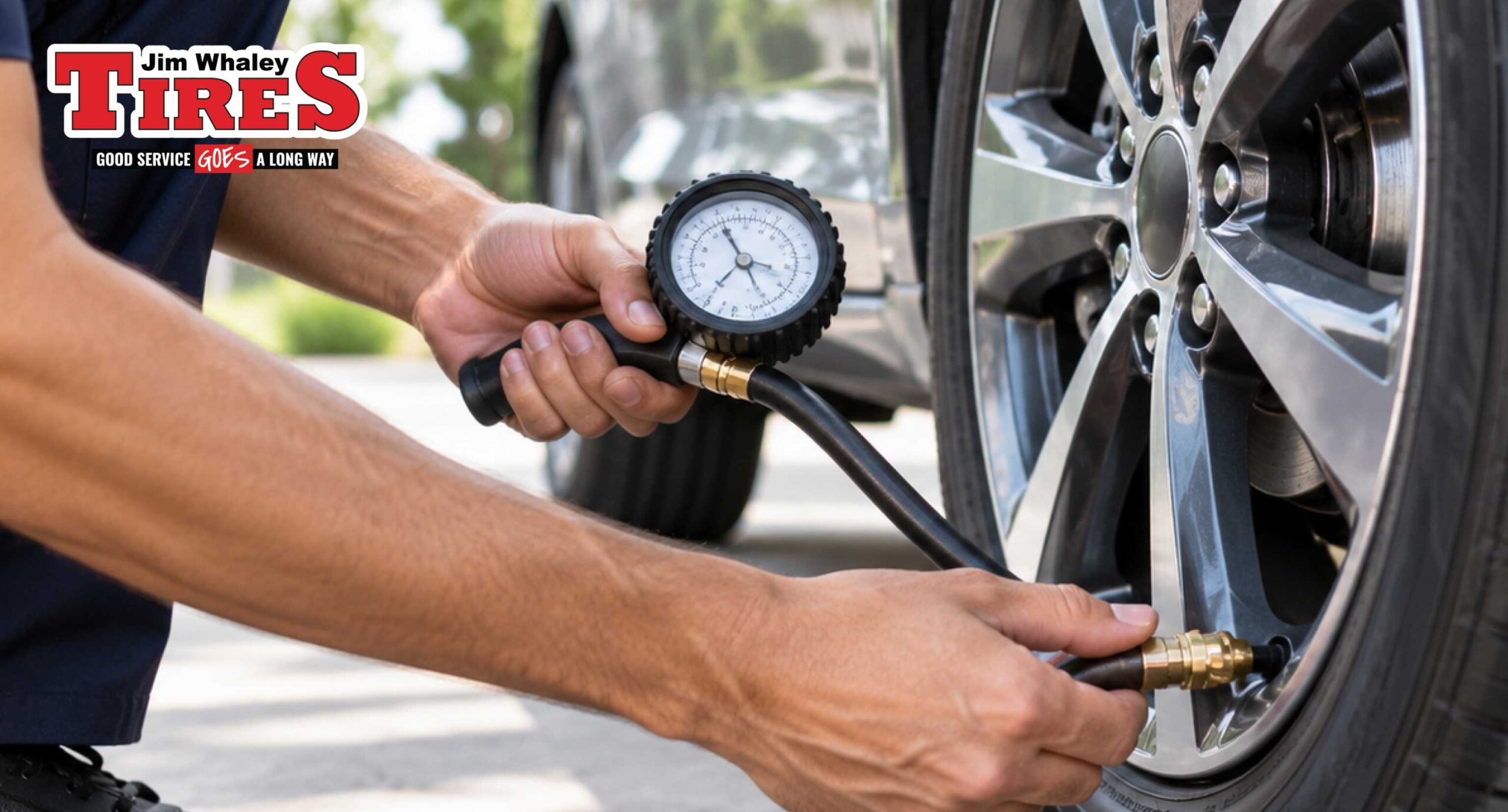
A proper tire pressure check should be part of your monthly vehicle routine. Many drivers rely only on their Tire Pressure Monitoring System, but these systems usually alert you after pressure has already dropped significantly.
Signs your tire pressure may be too low:
- Steering feels heavier – Low pressure can make your vehicle feel harder to control, especially during highway driving.
- Poor fuel economy – Underinflated tires create more rolling resistance, which forces your engine to work harder.
- Uneven tread wear – Tires may wear faster along the outer edges when pressure is incorrect.
- Vehicle pulling to one side – Uneven pressure between tires can affect handling.
- Frequent need to add air – A tire that repeatedly loses pressure may have a leak or damage.
Checking tire pressure only takes a few minutes but can help prevent larger problems. Keep a reliable gauge in your vehicle and check tires when they are cold for the most accurate reading.
Tire Inspection Tips Before Driving Highway 231
A professional tire inspection service can identify problems that are easy to miss during a quick visual check. Before long drives, it is important to look at the overall condition of your tires.
Drivers often notice tire problems only after experiencing vibration, poor handling, or a flat. Regular inspections allow you to address issues earlier and maintain better control.
What to Check Before Highway Driving
- Tread depth – Adequate tread helps your tires maintain traction, especially during rain when roads become slippery.
- Sidewall damage – Cracks, bulges, or cuts can weaken tire structure and increase failure risk.
- Uneven wear patterns – Wear on one side may indicate alignment or suspension concerns.
- Embedded objects – Nails, screws, or debris can slowly cause air loss.
- Tire age – Older tires can deteriorate even when tread appears acceptable.
A simple inspection before a long drive can provide peace of mind. If you notice anything unusual, a professional technician can determine whether repair or replacement is the safest option.
How Often Should Highway 231 Drivers Check Their Tires?
A common question drivers ask is, “How often should I inspect my tires before highway driving?”
The answer depends on your driving habits, mileage, and road conditions. However, most drivers benefit from regular monthly checks and professional inspections during routine maintenance visits.
Recommended Tire Maintenance Schedule
- Monthly tire pressure check – Helps maintain proper inflation and prevents unnecessary wear.
- Tire rotation every 5,000 to 8,000 miles – Helps tires wear more evenly and last longer.
- Professional inspection during oil changes – Allows technicians to catch developing issues early.
- Alignment checks when handling changes – Helps prevent uneven wear caused by incorrect wheel angles.
- Immediate inspection after hitting potholes – Road impacts can damage tires internally.
Proper maintenance can extend tire life and improve driving confidence. NHTSA also recommends routine checks of pressure, rotation, and tire condition as important parts of tire care.
Tire Rotation and Balancing Help Improve Highway Performance
Many drivers focus on tire pressure and tread, but overlook other important parts of tire maintenance. Regular rotation and balancing help your tires wear evenly, improve ride comfort, and support safer handling at highway speeds.
Uneven tire wear can develop slowly, especially for drivers who travel frequently or carry heavier loads. Over time, this can reduce traction and shorten your tires’ lifespan.
Why Regular Tire Rotation Matters
- Promotes even tire wear – Tires experience different levels of stress depending on their position on your vehicle. Rotation helps distribute that wear more evenly.
- Extends tire lifespan – Even wear allows you to get more miles from your tires before replacement becomes necessary.
- Improves handling – Properly maintained tires provide more consistent contact with the road.
- Supports better traction – Balanced wear helps your vehicle perform better during wet or changing road conditions.
- Protects your investment – Regular maintenance can help prevent premature tire replacement.
Why Tire Balancing Should Not Be Ignored
Tire imbalance can create noticeable problems, especially during highway driving. When tires are not balanced correctly, drivers may experience vibrations through the steering wheel or vehicle body.
Common signs your tires may need balancing include:
- Steering wheel vibration at certain speeds
- Uneven tread wear patterns
- A shaking sensation while driving
- Increased road noise
- Reduced driving comfort
Highway 231 drivers often spend extended periods at higher speeds, making smooth tire performance especially important. A quick visit to a trusted tire shop can help identify whether balancing, rotation, or another service is needed.
Emergency Tire Preparation for Highway 231 Drivers
Even with proper maintenance, unexpected tire issues can happen. Being prepared can reduce stress and help you handle roadside situations more safely.
A flat tire or tire failure can be especially inconvenient on busy highways or rural stretches where service options may be limited.
What Every Driver Should Keep in Their Vehicle
- Tire repair kit or spare tire – Having the right equipment can help you manage minor issues until professional help is available.
- Portable tire inflator – A small inflator can help restore temporary air pressure for minor leaks.
- Tire pressure gauge – This allows you to monitor pressure accurately instead of guessing.
- Flashlight or emergency light – Visibility is important if you experience problems after dark.
- Roadside assistance information – Quick access to help can make stressful situations easier.
Preparation is especially valuable for first-time car owners who may not have experienced a tire emergency before. Knowing what to do ahead of time can help you stay calm and make safer decisions.
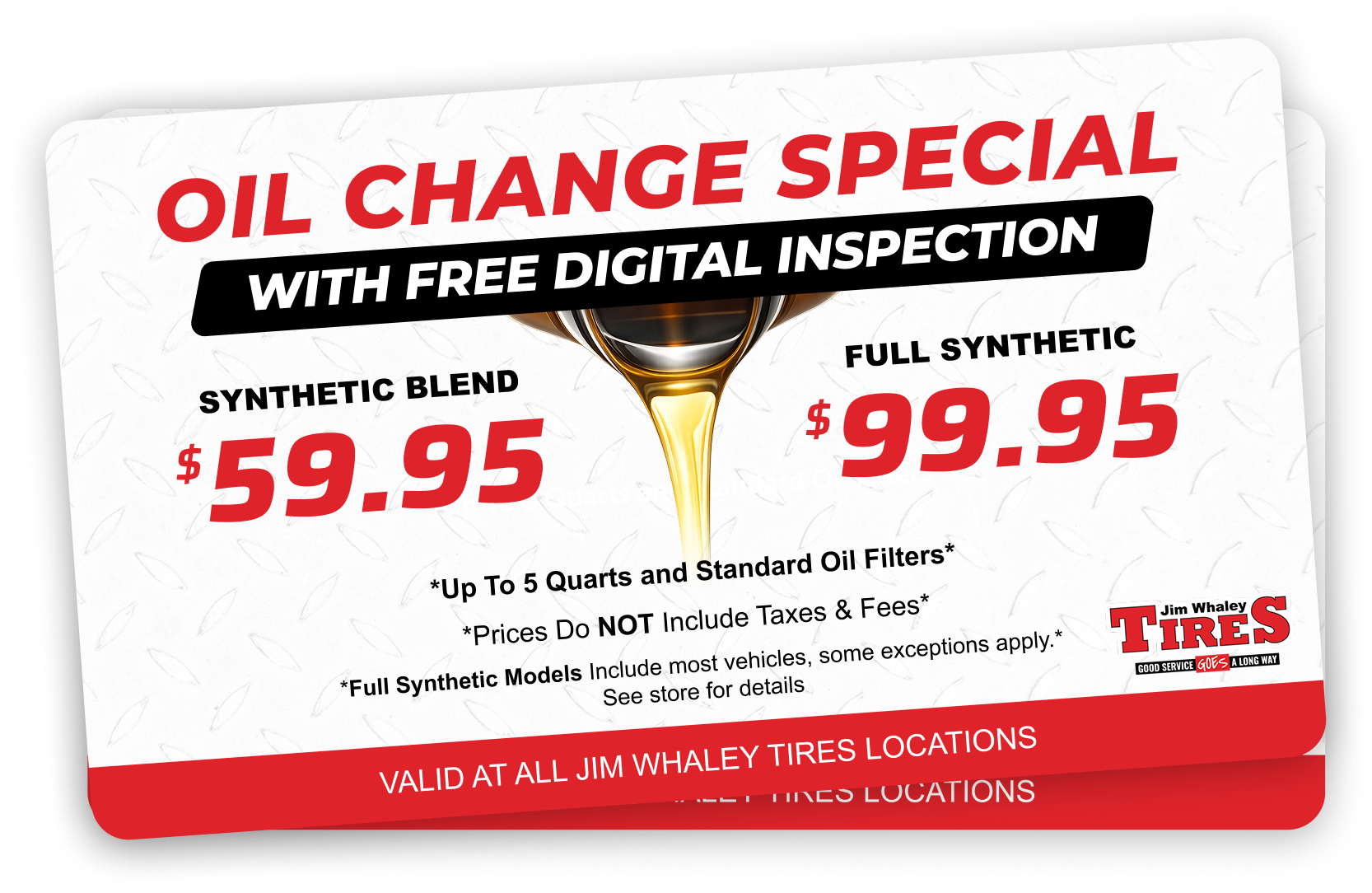
HONEST SERVICE.
REAL SAVINGS.
CLAIM YOURS AND BOOK
AN APPOINTMENT
VIEW ALL COUPONS
When Should You Replace Your Tires?
One of the most important parts of tire safety for Highway 231 drivers is knowing when repairs are no longer enough. Many drivers wait until they experience a flat, but worn or aging tires may need replacement before a major problem occurs.
Signs Your Tires May Need Replacement
- Tread is worn down – Tires with low tread have reduced ability to grip wet pavement.
- Visible cracks appear – Aging rubber can become brittle and more vulnerable to damage.
- Frequent air loss occurs – Repeated pressure problems may indicate internal damage.
- Vehicle handling changes – Pulling, vibration, or reduced stability can signal tire concerns.
- Tires are several years old – Age affects rubber compounds even when tires have remaining tread.
A professional technician can inspect your tires and explain whether repair, replacement, or continued monitoring is the best option. Avoid making decisions based only on appearance because some tire damage develops beneath the surface.
Finding Reliable Tire Repair Near Me Along Highway 231
When drivers search for tire repair near me, they want a shop they can trust with their safety. Choosing an experienced local tire provider gives them access to professional recommendations tailored to their vehicle, driving habits, and road conditions.
Jim Whaley Tires has helped drivers across Alabama and Florida with dependable tire services, including inspections, repairs, rotations, and replacements.
Whether you are located in Dothan, Enterprise, Ozark, Eufaula, or Marianna, having a trusted tire shop nearby makes routine maintenance easier.
What to Look for in a Local Tire Shop
- Experienced technicians – Skilled professionals can identify problems that may not be obvious to drivers.
- Complete tire services – A full-service shop can handle inspections, repairs, rotations, and replacements.
- Honest recommendations – A trustworthy shop explains your options without recommending unnecessary work.
- Quality tire brands – Reliable tires provide better performance and confidence on the road.
- Convenient scheduling – Easy appointment options make it simpler to stay current with maintenance.
Choosing a local tire provider is about building a long-term relationship that helps keep your vehicle safe. Regular visits allow technicians to understand your vehicle’s history and catch issues earlier.
Tire Safety for Highway 231 Drivers with Jim Whaley Tires
Safe highway driving starts with dependable tires. Following proper tire safety for Highway 231 drivers practices, including regular inspections, pressure checks, rotations, and timely repairs, can help protect you, your passengers, and your vehicle.
Jim Whaley Tires proudly serves drivers throughout Dothan, Enterprise, Ozark, Eufaula, and Marianna with professional tire services designed to keep vehicles road-ready. Whether you need a routine check or help with an unexpected tire concern, experienced technicians are available to help.
Your tires play a major role in how safely your vehicle performs every day. Do not wait until a warning sign becomes a roadside problem.
Schedule your appointment with Jim Whaley Tires today for trusted tire inspections, repairs, maintenance, and replacement services.