


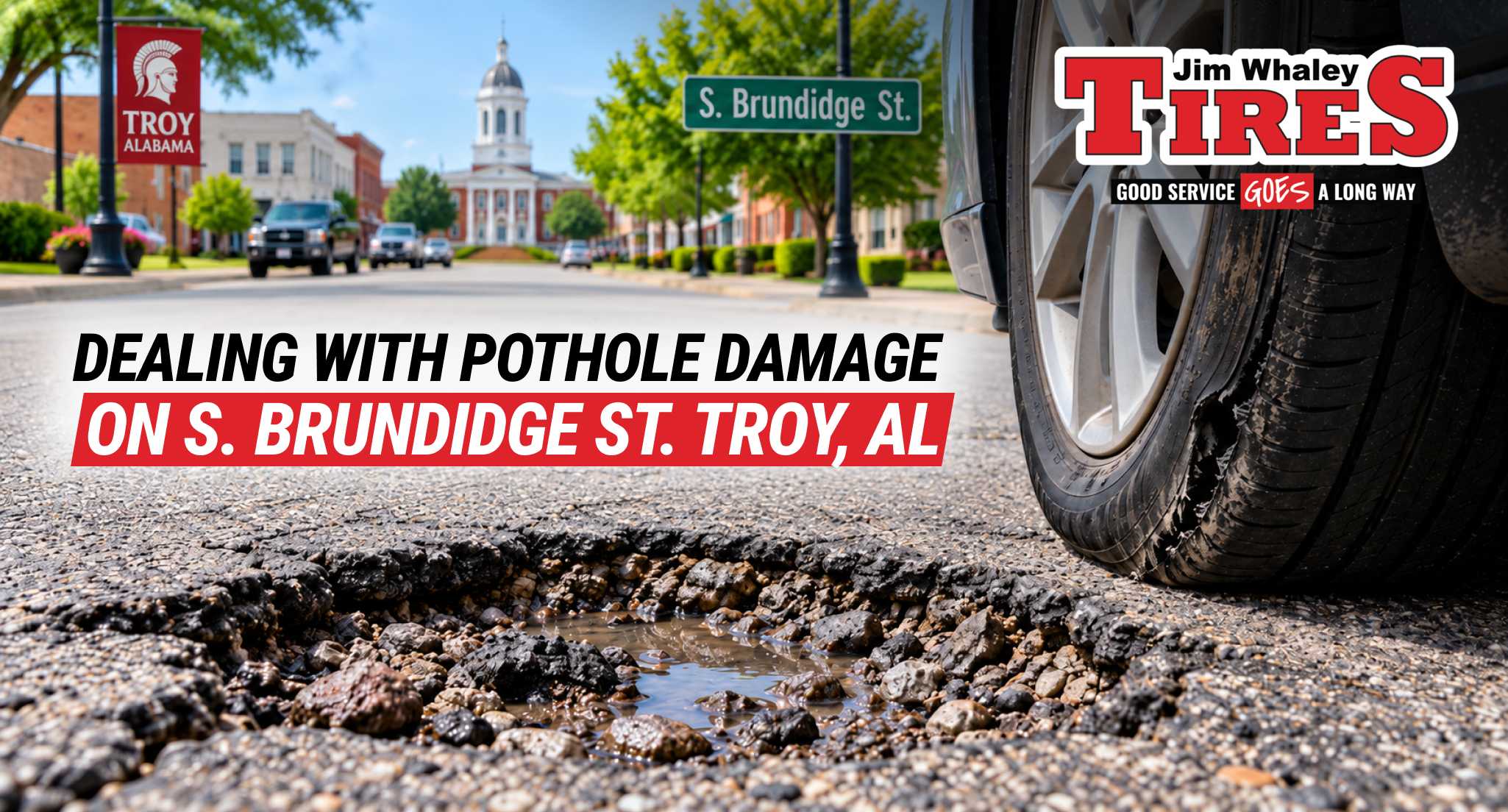
If you drive regularly around Troy, you know how quickly an unexpected pothole can turn an ordinary trip into a stressful one. Pothole Damage on S. Brundidge St can affect more than the tire you see from the outside. A hard impact can also damage a wheel, disturb alignment, or put extra stress on suspension components.
The frustrating part is that some problems are obvious immediately, while others take days or weeks to become noticeable. A new vibration, slow tire leak, uneven tread wear, or steering wheel that no longer sits straight can all be clues that your vehicle needs attention.
This guide explains what Troy drivers should check after hitting a pothole, which symptoms deserve immediate attention, and how to reduce the chance of expensive tire and suspension repairs.
Pothole Damage on S. Brundidge St What Should You Check First
After a hard pothole impact, give your vehicle a careful inspection as soon as it is safe to do so. Even when the tire appears fine, the impact may have affected the wheel or suspension underneath.
The severity of pothole damage Troy AL drivers experience depends on several factors, including the depth and shape of the pothole, vehicle speed, tire condition, tire pressure, wheel design, and vehicle weight. Consumer Reports notes that potholes can damage tires and wheels and affect steering, suspension, alignment, and other components.
Start with these checks:
- Look at the tire sidewall – Check for bulges, bubbles, cuts, cracks, or exposed internal material. A sidewall bulge can indicate internal structural damage and should be treated as a serious safety concern.
- Check tire pressure – Compare the affected tire with the vehicle manufacturer’s recommended cold inflation pressure. A sudden or gradual pressure loss can indicate damage that needs professional inspection.
- Inspect the wheel – Look for a visible bend, crack, dent, or damage around the rim. A damaged wheel can prevent the tire from maintaining a proper seal.
- Pay attention to steering – If the steering wheel is suddenly off-center or the vehicle pulls left or right, have the alignment and steering components checked.
- Listen for new sounds – Clunks, thumps, humming, scraping, or other noises that appeared after the impact can point toward wheel, tire, suspension, or underbody problems.
Do not assume that a vehicle is fine simply because it continues driving normally. Some impact damage is easier to detect during a professional inspection than from the driver’s seat.
How Does Pothole Damage on S. Brundidge St Affect Tires
Your tires are the first part of the vehicle to absorb a pothole impact. When a tire drops into a deep hole and strikes its rim, it can be compressed sharply against the rim.
This can produce tire damage from potholes ranging from an air leak to serious sidewall damage. Low-profile tires can be particularly vulnerable because their shorter sidewalls provide less cushioning between the road and wheel.
Here are some of the problems to watch for:
- Sidewall bulges – A bubble or outward bulge can indicate damage to the internal reinforcement of the tire. Michelin advises drivers to have a tire checked after a pothole impact, particularly when a bulge is present.
- Sidewall cuts – A sharp pothole edge can cut the tire’s sidewall. Deep cuts can compromise the internal structure and may require tire replacement rather than repair.
- Pinch damage – A severe impact can crush the tire between the road surface and wheel. Internal damage may exist even when the external rubber does not look severely damaged.
- Tread damage – A pothole can contribute to cuts, punctures, or other tread-area damage that may result in air loss.
- Slow leaks – A damaged bead, wheel, valve, or tire can allow air to escape gradually rather than producing an immediate flat.
If you notice a bulge, a significant cut, exposed cords, or rapid air loss, do not treat it as a minor inconvenience. A professional inspection can determine whether the tire remains safe for service.
Can Pothole Damage Affect Wheel Alignment
Yes. A significant pothole strike can affect wheel alignment, even when there is no obvious damage visible from outside the vehicle.
The suspension and steering system are designed to keep the wheels positioned correctly as you drive. A hard impact can alter that geometry or damage a component that affects wheel position. AAA recommends having the alignment checked when a vehicle pulls to one side after hitting a pothole.
Common warning signs include:
- Vehicle pulls to one side – If your vehicle suddenly drifts left or right on a normally straight road, the alignment deserves attention.
- Steering wheel sits crooked – A steering wheel that is no longer centered while traveling straight can indicate an alignment issue.
- Uneven tire wear – Alignment problems can cause one part of the tread to wear faster than another. This can shorten tire life if the problem continues.
- New steering vibration – A bent wheel, tire problem, or suspension issue can produce vibration through the steering wheel.
- Vehicle handling feels different – If the car feels less stable, tracks differently, or responds strangely after an impact, schedule an inspection.
This is why wheel alignment Troy AL services can be important after a substantial pothole impact. Alignment equipment can measure the vehicle’s geometry and identify problems that may be difficult to diagnose visually.
A quick alignment check can also help prevent a relatively small impact from leading to premature tire replacement due to abnormal wear.
What Are the Signs of Suspension Damage After a Pothole
Potholes can also affect suspension components. Shocks, struts, control arms, steering components, and other parts can be stressed by a severe impact.
Suspension damage is sometimes subtle at first. Monroe lists excessive bouncing, vibration, unusual body movement, uneven tire wear, and changes in ride or handling among potential signs of suspension problems.
Watch for these changes:
- New clunking noises – A clunk when going over a bump can indicate a loose, worn, or damaged suspension component.
- Excessive bouncing – If the vehicle continues to bounce after a bump rather than settling quickly, the shocks or struts may need attention.
- Uneven ride height – A vehicle that appears lower on one corner can signal a suspension problem.
- Changes while braking – Excessive front-end diving or unusual movement during braking deserves an inspection.
- New vibration or instability – A vehicle that suddenly feels different through turns or over uneven pavement should be checked.
For drivers experiencing pothole damage Troy AL, suspension symptoms are a good reason to schedule an inspection rather than waiting for the problem to become worse.
A technician can look beyond the tire itself and determine whether the impact affected the wheel, steering, alignment, or suspension.
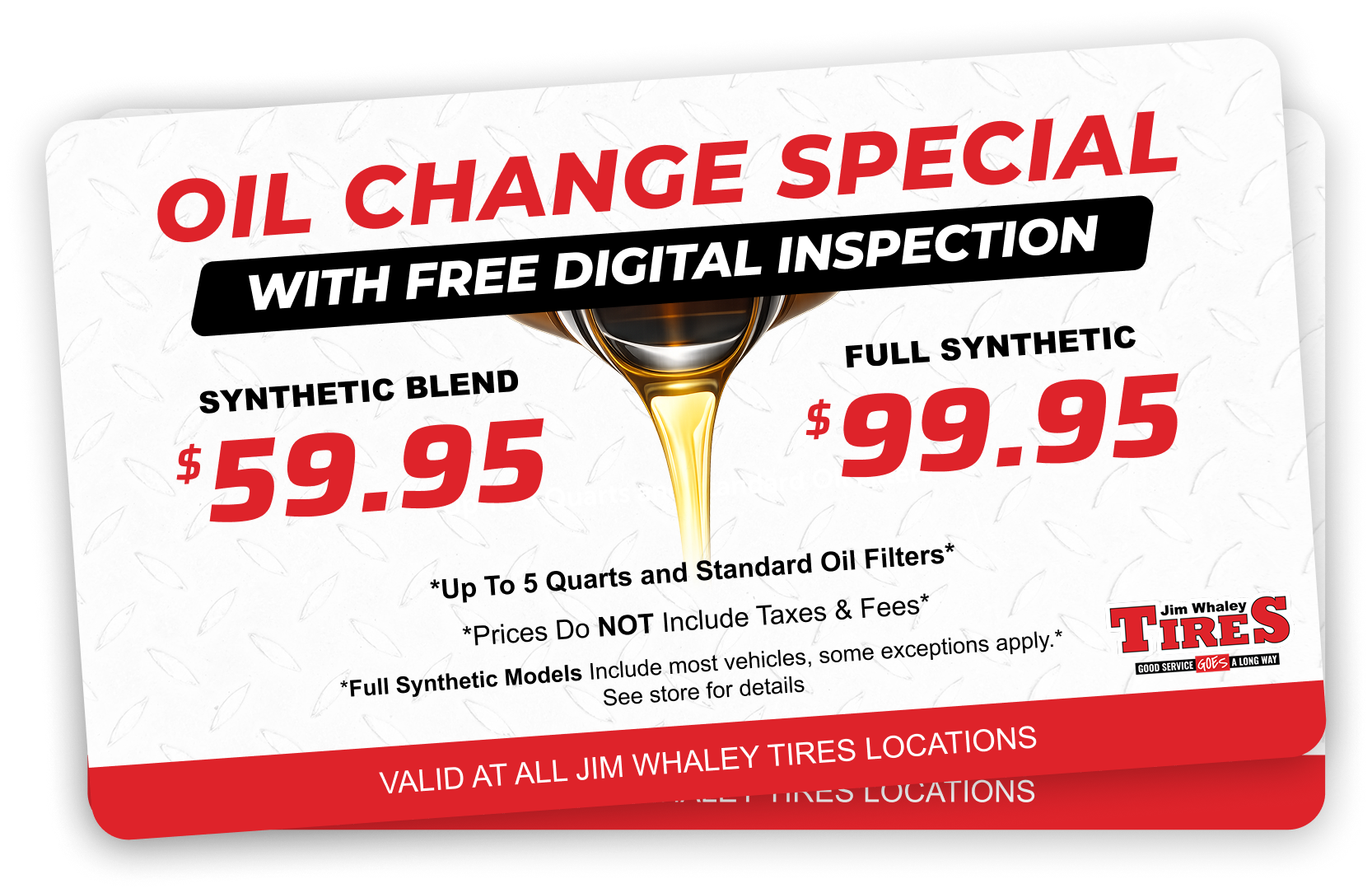
HONEST SERVICE.
REAL SAVINGS.
CLAIM YOURS AND BOOK
AN APPOINTMENT
VIEW ALL COUPONS
How Can You Tell If a Tire Needs Replacement
One of the most important decisions after an impact is determining whether a tire can safely remain in service.
A simple tread puncture in an appropriate repair area may sometimes be repairable. Pothole impacts, however, can produce structural damage that cannot be corrected with a standard puncture repair.
These conditions deserve particular attention:
- Visible sidewall bulge – A bulge indicates possible internal structural damage. Michelin identifies sidewall bulges as a serious concern because the damaged internal structure can lead to sudden air loss.
- Deep sidewall cut – Sidewall cuts can affect the internal cords that help contain tire pressure. A professional should determine whether the tire is safe.
- Exposed cords – If you can see the internal reinforcing material, avoid continuing to drive on the tire.
- Repeated pressure loss – A tire that repeatedly loses air after a pothole impact needs to be inspected for tire, bead, valve, or wheel damage.
- Severe tread damage – Deep cuts, separations, or other structural problems may make replacement the safest option.
Do not try to puncture, flatten, or otherwise manipulate a tire bulge yourself. A confirmed structural defect should be evaluated by a qualified tire professional.
What Should You Do After Hitting a Pothole
If you experience tire damage from potholes, the best response is to slow down, find a safe place to stop, and inspect the vehicle rather than immediately continuing your trip.
Use this practical sequence:
- Pull over safely – Choose a safe location away from traffic before inspecting the vehicle.
- Look at all four tires – Check sidewalls and tread for cuts, bulges, or unusual changes.
- Check tire pressure – Compare the affected tire with the recommended pressure listed by the vehicle manufacturer.
- Inspect the wheels – Look for dents, cracks, or obvious deformation.
- Test the steering carefully – Pay attention to pulling, vibration, or a steering wheel that feels different.
- Listen for new noises – Note any clunking, scraping, humming, or repeated thumping.
- Schedule a professional inspection – If the impact was hard or anything feels different, have the vehicle checked.
AAA recommends slowing safely when potholes cannot be avoided and having the vehicle inspected if you notice steering, vibration, tire, wheel, or suspension symptoms.
The key is to take changes seriously without panicking. A quick inspection can identify a tire problem early and help protect other components from additional wear.
How Can Troy Drivers Prevent Pothole Damage
You cannot control road conditions, but you can control how prepared your vehicle is for them.
Proper tire maintenance is especially important because a tire with the correct inflation pressure and adequate tread is better positioned to handle normal road hazards.
These habits can reduce your risk:
- Maintain recommended tire pressure – Use the pressure specified by your vehicle manufacturer, usually found on the driver’s door placard or in the owner’s manual. Do not use the maximum pressure printed on the tire sidewall as your vehicle’s recommended setting.
- Inspect tires regularly – Look for uneven wear, cracks, cuts, bulges, and objects lodged in the tread.
- Keep a safe following distance – Leaving more space gives you additional time to see potholes and react smoothly.
- Reduce speed safely – Speed can increase the severity of an impact. If a pothole is unavoidable, slow down when traffic conditions allow.
- Avoid sudden swerving – A last-second lane change can create a collision risk. Check surrounding traffic before changing direction.
- Be cautious around standing water – A puddle can conceal the depth and shape of a pothole.
- Keep suspension components maintained – Worn shocks or struts can affect how the vehicle responds to road impacts.
These habits are useful for both first-time car owners and experienced SUV and truck drivers. Regular inspections also give you a chance to identify existing tire wear before a pothole makes the problem worse.
Where Can Troy Drivers Get a Pothole Inspection
If you need a pothole tire inspection, Jim Whaley Tires has a location on S. Brundidge St in Troy at 501 S. Brundidge St. The company also operates a second Troy location on US-231.
Jim Whaley Tires currently has 10 locations across Alabama and Florida, including three Dothan locations, two Enterprise locations, Eufaula, Marianna, Ozark, and two Troy locations.
That makes it convenient for drivers who travel throughout the Wiregrass region and need tire or vehicle service closer to home.
The team provides tire repair and installation, wheel alignment, vehicle inspection, and other automotive services. Jim Whaley Tires also states that its technicians are ASE-certified and that the company has served customers since 1986.
Whether you are coming from S. Brundidge St or another part of Troy, getting an impact checked can provide useful peace of mind when your vehicle suddenly feels different.
Does Pothole Damage Always Show Up Right Away
No. Some tire damage from potholes is immediately obvious, while other problems can develop or become noticeable later.
A tire may initially hold air even though its internal structure has been compromised. Likewise, a wheel may have a small bend that later manifests as a slow leak or vibration.
Alignment problems can also be easy to overlook. Your vehicle may continue driving seemingly normally while abnormal alignment causes gradual uneven tire wear.
That is why a pothole tire inspection is worthwhile after a particularly hard impact, especially if you notice any change in steering, ride quality, tire pressure, or noise.
You do not have to wait until the tire is completely flat or the vehicle becomes difficult to control. Early attention gives a technician a better opportunity to identify the original problem before it creates additional damage.
Protect Your Vehicle From Pothole Damage in Troy AL
Pothole Damage on S. Brundidge St can affect much more than the tire you see. Wheels, alignment, steering, suspension, and other components may also be affected by a hard impact.
The good news is that you can reduce the risk of a bigger repair by paying attention to warning signs and getting suspicious changes checked early. Proper tire pressure, regular inspections, cautious driving, and timely service all help keep your vehicle ready for Troy roads.
If you need wheel alignment Troy AL, tire service, or a pothole tire inspection, Jim Whaley Tires can help you determine what happened and what your vehicle needs next. With locations throughout Alabama and Florida, including S. Brundidge St in Troy, you have a local option for professional tire and auto care.
Schedule Pothole Damage Service With Jim Whaley Tires
If your vehicle took a hard hit on S. Brundidge St or another Troy road, do not ignore a new vibration, steering change, tire-pressure warning, or unusual noise.
Schedule an appointment with Jim Whaley Tires for a professional inspection. You can use the online booking system to choose a convenient location and request service.
Schedule an appointment with Jim Whaley Tires