


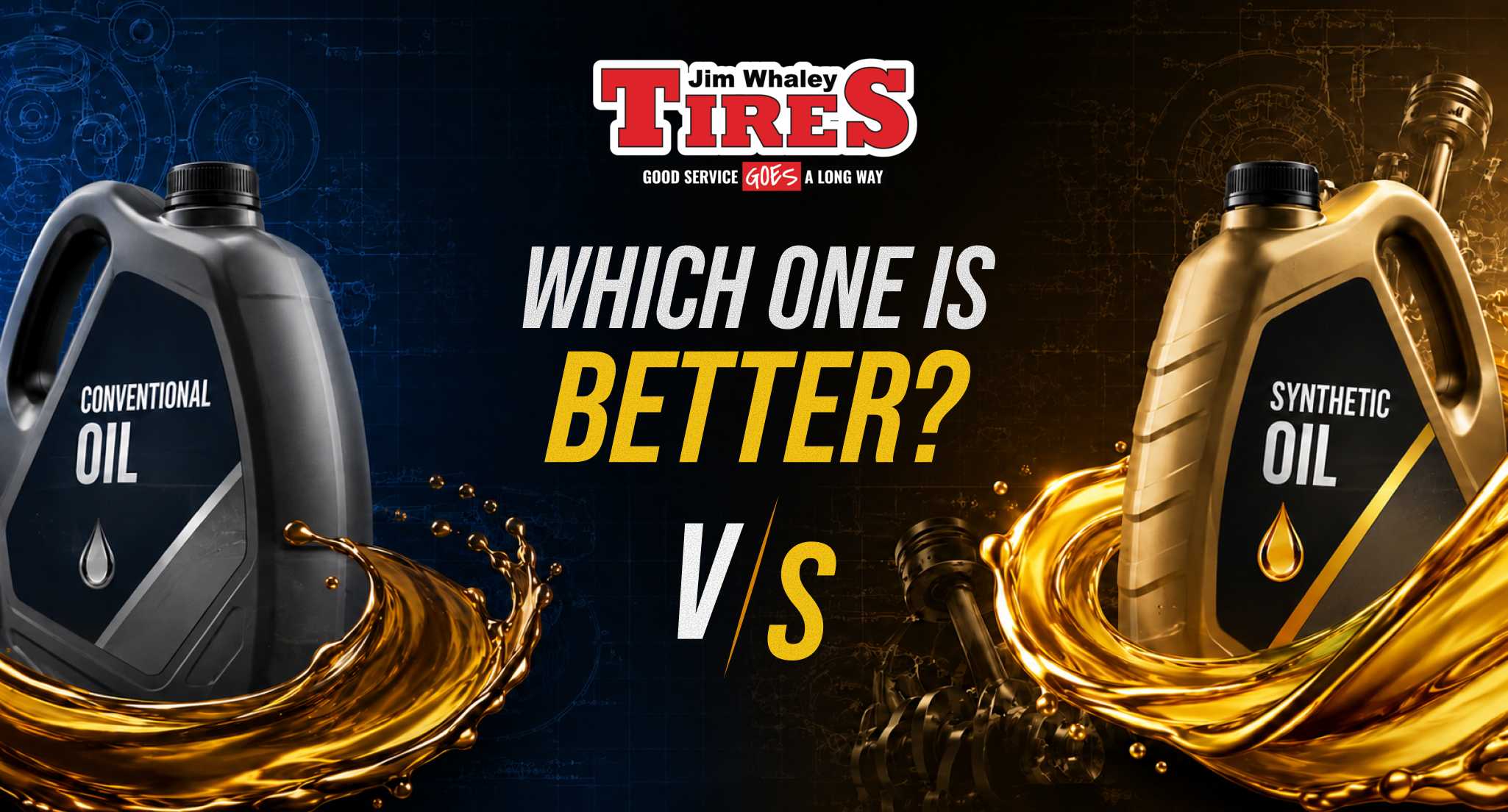
If you’ve ever stood at the service counter wondering whether to choose synthetic or conventional oil, you’re not alone. Many drivers searching for synthetic vs conventional oil on Montgomery Hwy in Dothan AL want a clear answer that balances performance, cost, and long-term vehicle health.
The truth is that the best oil choice depends on your vehicle, mileage, driving habits, and manufacturer recommendations. Choosing the wrong oil can lead to unnecessary expenses or reduced engine performance over time.
In this guide, we’ll walk through the key differences between synthetic and conventional oil, explain which option makes sense for different drivers, and help you make an informed decision the next time you schedule an oil change in Dothan AL.
TL;DR – Synthetic vs Conventional Oil on Montgomery Hwy in Dothan AL Quick Guide
- Synthetic vs conventional oil on Montgomery Hwy in Dothan AL comes down to performance, protection, and maintenance intervals.
- Synthetic oil provides better engine protection in extreme temperatures and demanding driving conditions.
- Conventional oil remains a budget-friendly choice for certain older vehicles.
- A full synthetic oil change typically lasts longer between services than a conventional oil change.
- Drivers seeking reliable auto repair in Dothan AL services can benefit from professional recommendations based on their specific vehicle.
Understanding the Difference Between Synthetic and Conventional Oil
Motor oil performs several critical functions inside your engine. It lubricates moving parts, reduces friction, helps regulate temperature, and prevents harmful deposits from forming.
What Is Conventional Oil
Conventional oil is refined directly from crude petroleum and contains additives that help protect your engine.
Benefits include:
- Lower upfront cost – Conventional oil generally costs less during service visits.
- Suitable for older vehicles – Some older engines perform well with conventional oil.
- Widely available – Most service centers carry multiple conventional oil grades.
- Simple maintenance solution – Works well for vehicles with light usage.
- Good for basic transportation needs – Drivers with short commutes may find it sufficient.
While conventional oil can perform effectively, it breaks down faster under heat and stress compared to synthetic alternatives. This often means more frequent service visits.
What Is Synthetic Oil
Synthetic oil is engineered using advanced refining processes that create more uniform molecules and improved performance characteristics.
Advantages include:
- Superior engine protection – Helps reduce wear during cold starts and high temperatures.
- Longer service intervals – Many manufacturers recommend extended change intervals when using synthetic oil.
- Improved sludge resistance – Keeps engines cleaner over time.
- Better temperature performance – Flows efficiently in both hot and cold conditions.
- Enhanced fuel efficiency potential – Reduced friction can improve overall engine efficiency.
Many modern vehicles are designed for full synthetic oil changes due to tighter engine tolerances and higher operating temperatures.
Choosing between the two often depends on how you use your vehicle every day, not simply the price on the service menu.
Why Many Dothan Drivers Are Switching to Synthetic Oil
Drivers on Montgomery Highway face a mix of city traffic, highway driving, and Alabama summer heat. These conditions can place additional stress on engine oil.
Reasons Synthetic Oil Continues Growing in Popularity
Many local drivers choose synthetic oil because of its performance advantages.
- Better heat resistance – Synthetic oil maintains its protective properties during hot Alabama summers.
- Improved protection during stop-and-go traffic – Frequent acceleration and braking increase engine stress.
- Extended oil life – Fewer service visits may offset higher upfront costs.
- Cleaner engine operation – Reduced sludge buildup supports long-term reliability.
- Recommended by many manufacturers – Most newer vehicles specify synthetic oil in their maintenance schedules.
Industry recommendations commonly place conventional oil intervals around 3,000 to 5,000 miles, while synthetic oils may extend much further depending on manufacturer guidance.
For drivers who commute regularly between Dothan and surrounding communities, synthetic oil often delivers better long-term value despite the higher initial service cost.
When Conventional Oil May Still Be a Good Choice
Synthetic oil receives plenty of attention, but conventional oil still has a place in today’s market.
Situations Where Conventional Oil Makes Sense
Some vehicles and driving habits align well with conventional oil.
- Older vehicles designed for conventional oil – Manufacturer recommendations remain important.
- Low annual mileage drivers – Short yearly mileage may reduce the benefit of extended synthetic intervals.
- Budget-conscious maintenance plans – Lower service costs can help manage expenses.
- Secondary vehicles – Cars driven occasionally may not require premium oil.
- Certain classic vehicles – Some older engines perform best with traditional formulations.
The key is following the manufacturer’s specifications rather than assuming one oil type fits every vehicle.
A trusted auto repair professional can review your owner’s manual and driving habits before recommending the most appropriate option.
Cost Comparison Between Synthetic and Conventional Oil
One of the most common questions drivers ask when comparing oil types is whether synthetic oil is worth the extra cost. While conventional oil often has a lower upfront price, the long-term value can look very different when you factor in maintenance intervals, engine condition, and overall vehicle ownership costs.
Comparing Short-Term and Long-Term Costs
At first glance, conventional oil usually appears less expensive. However, looking beyond the immediate service invoice can provide a clearer picture of which option offers the best value for your vehicle.
| Factor | Conventional Oil | Synthetic Oil |
|---|---|---|
| Initial Service Cost | Typically lower upfront cost, making it appealing for budget-conscious drivers. | Higher initial investment due to advanced refining and performance additives. |
| Oil Change Frequency | Usually requires more frequent oil changes, often every 3,000 to 5,000 miles depending on driving conditions. | Often lasts longer between services, with many vehicles able to go 5,000 to 10,000 miles or more based on manufacturer recommendations. |
| Engine Cleanliness | More likely to leave deposits and sludge buildup over time, especially under severe driving conditions. | Designed to resist sludge formation and keep internal engine components cleaner. |
| Wear Protection | Provides adequate protection for many vehicles but may break down faster under extreme temperatures and heavy use. | Offers enhanced wear resistance and stronger engine protection during cold starts, towing, and high-heat operation. |
| Overall Ownership Costs | Lower short-term expenses but may require more frequent maintenance visits throughout the year. | Higher service cost initially, but fewer oil changes and improved engine protection may help reduce long-term maintenance expenses. |
For many drivers, a full synthetic oil change may cost more today but potentially save money through extended service intervals, improved engine cleanliness, and stronger long-term engine protection.
Instead of focusing only on the price of your next oil change, consider how your oil choice affects maintenance costs, engine performance, and vehicle reliability over the years you plan to own your vehicle. A slightly higher investment today can often contribute to lower overall ownership costs down the road.
Which Oil Is Best for SUVs and Family Vehicles
SUVs often work harder than standard passenger cars. They carry heavier loads, tow trailers, and frequently travel long distances.
Why SUVs Often Benefit from Synthetic Oil
SUV owners may notice advantages from synthetic formulations.
- Enhanced protection under heavy loads – Extra weight increases engine stress.
- Better towing performance – Heat resistance becomes especially important.
- Improved cold-start lubrication – Critical for reducing wear.
- Long-distance reliability – Ideal for road trips and highway driving.
- Manufacturer preference – Many modern SUVs specify synthetic oil.
If you drive a newer SUV in Dothan, your owner’s manual will often recommend a full synthetic oil change to maximize engine performance and longevity. The investment can be particularly valuable for families who depend on their vehicle every day.
How Driving Conditions Affect Oil Choice
Your daily routine matters just as much as your vehicle type.
Driving Habits That Favor Synthetic Oil
Certain conditions place more stress on motor oil.
- Frequent short trips – Engines may not fully reach operating temperature.
- Heavy traffic driving – Constant stop-and-go operation increases wear.
- Highway commuting – Extended engine operation benefits from stable lubrication.
- Towing and hauling – Creates additional heat.
- Extreme temperatures – Alabama summers can challenge lower-quality oils.
Drivers facing these conditions often experience better engine protection when using synthetic oil formulations. (Techway Automotive)
Matching your oil choice to your driving environment can significantly improve vehicle reliability.
Can You Switch Between Synthetic and Conventional Oil
This question comes up frequently among first-time car owners.
What Drivers Should Know About Switching Oil Types
In most cases, switching between oil types is possible if the oil meets manufacturer specifications.
Important considerations include:
- Follow manufacturer recommendations – Always start with the owner’s manual.
- Use the correct viscosity grade – Oil thickness matters.
- Consider engine age and condition – Older engines may require special attention.
- Monitor for leaks – Existing seal issues can become more noticeable.
- Work with qualified technicians – Professional guidance helps avoid mistakes.
Most automotive experts agree that switching between approved oil types does not inherently damage modern engines. If you’re unsure, discuss your options during your next oil change in Dothan AL.
What to Expect During an Oil Change Service
A quality oil service involves much more than draining and refilling oil.
Services Commonly Included
Professional service centers typically perform several inspections during an oil change.
- Oil and filter replacement – The foundation of the service.
- Fluid level inspection – Helps identify maintenance needs.
- Belt and hose checks – Prevents unexpected failures.
- Battery inspection – Supports dependable starting.
- General vehicle health review – Identifies potential concerns early.
Many shops also inspect tires, brakes, and other key systems during routine maintenance visits. (American Lube Fast)
These inspections provide additional value and can help prevent larger repairs down the road.
Why Drivers Trust Jim Whaley on Montgomery Highway
When searching for synthetic vs conventional oil on Montgomery Hwy in Dothan AL, choosing the right service provider matters as much as choosing the right oil.
Jim Whaley has served drivers throughout Dothan and the surrounding communities for decades. Whether you need routine maintenance, tire service, brake repairs, or complete auto repair in Dothan AL, experienced technicians can help you make informed decisions based on your vehicle’s needs.
Drivers appreciate personalized recommendations, transparent communication, and quality workmanship that keeps vehicles performing at their best.
HONEST SERVICE.
REAL SAVINGS.
CLAIM YOURS AND BOOK
AN APPOINTMENT
VIEW ALL COUPONS
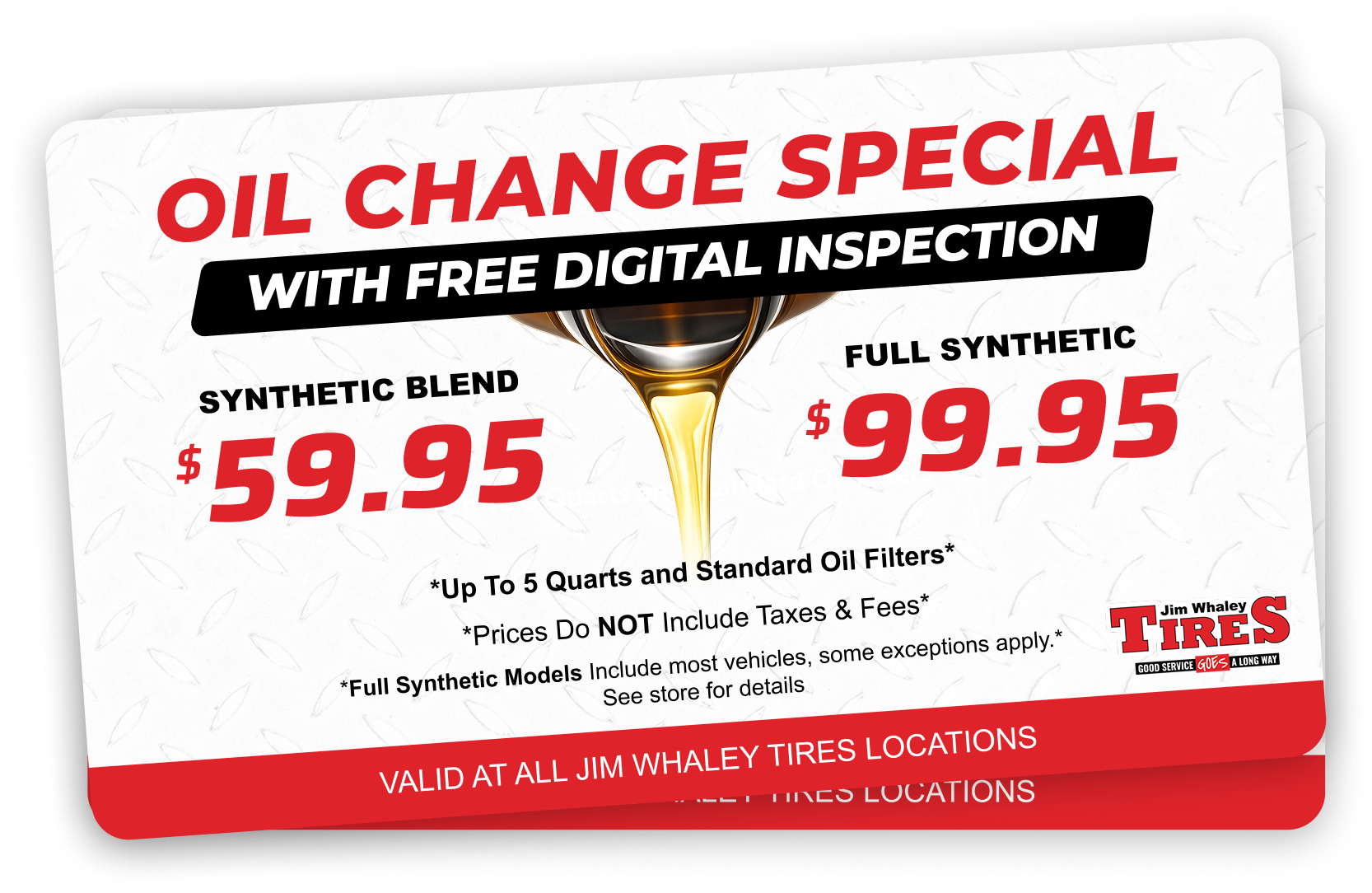
Synthetic vs Conventional Oil on Montgomery Hwy in Dothan AL at Jim Whaley
Choosing between synthetic and conventional oil ultimately comes down to your vehicle’s design, your driving habits, and your maintenance goals. While conventional oil remains a practical option for some drivers, synthetic oil continues to deliver advantages in performance, longevity, and engine protection for many modern vehicles.
If you’re still unsure which option is right for your car, truck, or SUV, the team at Jim Whaley can help. Their experienced technicians understand the needs of local drivers throughout Dothan, Montgomery Highway, and the surrounding Alabama communities. Whether you need routine maintenance, a full synthetic oil change, or complete auto repair Dothan AL, you’ll receive recommendations tailored to your vehicle.
Visit Jim Whaley Tires and let our experienced team help you choose the right oil for your vehicle. Whether you need a routine oil change in Dothan AL or a complete maintenance inspection, we’re here to keep your vehicle running smoothly.