


Planning a long drive is exciting, whether you’re heading to the Florida beaches, visiting family, or taking a weekend getaway. While it’s easy to focus on packing luggage and mapping your route, many drivers forget one of the most important parts of their vehicle: the tires. A worn or poorly maintained tire can quickly turn an enjoyable trip into an unexpected roadside stop.
Proper tire care for Geneva Highway drivers helps reduce the risk of blowouts, uneven tread wear, poor fuel economy, and loss of traction during changing road conditions. A few simple maintenance steps before leaving home can make your trip safer, more comfortable, and less stressful.
In this guide, you’ll learn how to inspect your tires, what warning signs to watch for, and which maintenance services are worth scheduling before a long drive. Whether you’re a first-time car owner, an experienced commuter, or an SUV driver preparing for vacation, these tips will help you travel with confidence.
TL;DR – Tire Care for Geneva Highway Drivers Quick Trip Checklist
- Tire care for Geneva Highway drivers starts with checking tire pressure, tread depth, and overall tire condition before every long trip.
- Schedule a professional tire inspection before road trip plans if your tires show uneven wear, cracking, or vibration.
- Keep up with tire rotation services and proper balancing to maximize tire life and improve ride comfort.
- A proper wheel alignment Geneva AL service helps your vehicle track straight and prevents premature tire wear.
- Regular tire maintenance on Geneva Highway improves safety, fuel efficiency, and overall driving performance.
Why Tire Care Matters Before Every Long Road Trip
Many tire problems develop gradually, making them difficult to notice during short daily commutes. Once you’re driving at highway speeds for several hours, those small issues become much more serious. Heat buildup, heavy loads, and long stretches of pavement place additional stress on your tires.
According to the National Highway Traffic Safety Administration (NHTSA), tire-related crashes contribute to hundreds of fatalities and thousands of injuries each year. Many of these incidents involve preventable issues such as underinflation, worn tread, or neglected maintenance. Spending a few minutes inspecting your tires before traveling can significantly reduce your chances of experiencing tire failure.
For drivers traveling throughout Geneva Highway and nearby communities, changing weather conditions, construction zones, and rough pavement can also affect tire performance. That’s why regular tire maintenance on Geneva Highway should become part of every travel routine.
A professional inspection at Jim Whaley Tires gives drivers peace of mind before hitting the road. Experienced technicians can identify problems that are easy to overlook during a quick driveway inspection.
What Should You Check Before Leaving Home
A quick walk around your vehicle is helpful, but a more thorough inspection provides much better protection during long trips. Taking time to evaluate each tire allows you to catch potential problems before they become expensive repairs.
Essential Tire Checks Before a Long Trip
Before loading the vehicle and starting your drive, inspect the following areas carefully.
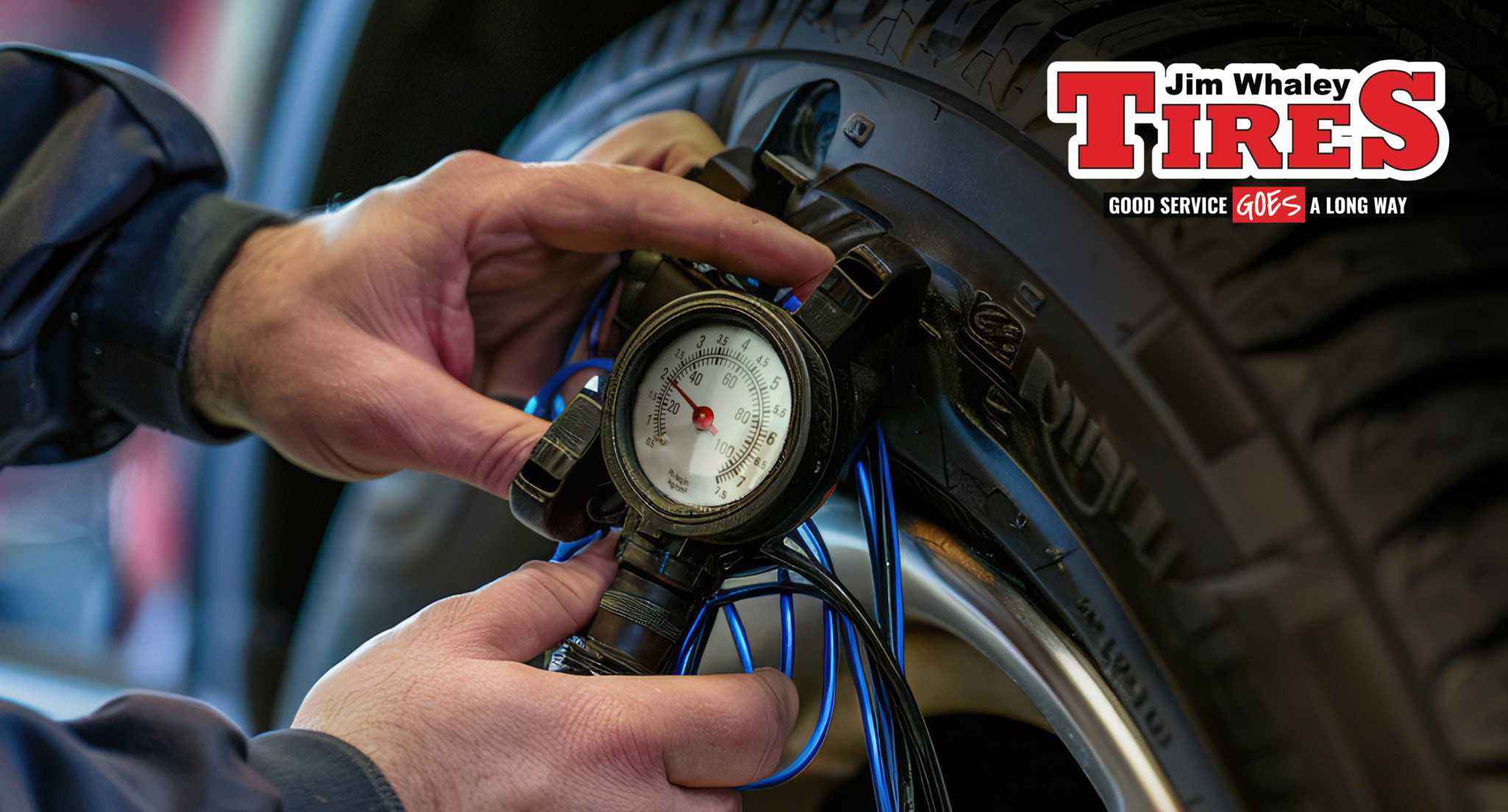
- Tire pressure – Check each tire using an accurate pressure gauge while the tires are cold. Inflate them to the manufacturer’s recommended PSI on the driver’s door sticker, rather than the maximum pressure listed on the tire sidewall. Proper inflation improves handling, braking, and fuel economy.
- Tread depth – Adequate tread allows your tires to grip wet and dry roads more effectively. Use the penny test or a tread depth gauge to measure wear. If the tread approaches 2/32 inch, replacement should be scheduled before any extended trip.
- Visible tire damage – Examine both sidewalls and tread for cuts, punctures, bulges, cracks, or embedded debris. Even small damage can worsen after several hours of highway driving.
- Uneven tread wear – Tires wearing more on one edge than the other often indicate alignment or suspension issues. Scheduling a wheel alignment in Geneva AL service before your trip helps prevent additional damage while improving steering stability.
- Spare tire condition – Many drivers forget about the spare until they actually need it. Make sure it is properly inflated and verify that your jack and tire tools are still in your vehicle.
Completing these inspections takes only a few minutes but greatly reduces the likelihood of unexpected tire problems while traveling.
If you’re unsure about any of these checks, scheduling a professional tire inspection before road trip is a smart investment. Certified technicians can inspect internal tire conditions that aren’t visible from the outside and recommend maintenance only when necessary.
Signs Your Tires Need Professional Attention
Not every tire problem is easy to spot. Sometimes your vehicle gives subtle warnings long before a flat tire or blowout occurs. Paying attention to these signs can help prevent more expensive repairs later.
Warning Signs You Should Never Ignore
If you notice any of the following symptoms, it’s a good idea to schedule an inspection before your trip.
- Vehicle pulling to one side – This often indicates alignment issues, uneven tire wear, or incorrect tire pressure. A proper wheel alignment in Geneva AL restores straight tracking and helps your tires wear evenly.
- Steering wheel vibration – Vibration at highway speeds often indicates tire balance issues, damaged tires, or suspension problems. Prompt tire repairs improve ride comfort and reduce unnecessary tire wear.
- Rapid loss of tire pressure – Needing to add air repeatedly could indicate a slow leak, damaged valve stem, or hidden puncture. A professional inspection can locate the exact cause before it worsens.
- Excessive road noise – Tires that suddenly become louder may have uneven wear patterns, cupping, or internal damage. Catching the issue early often prevents premature tire replacement.
- Visible cords or severe tread wear – If steel belts or fabric cords begin showing through the tread, the tire has reached the end of its safe service life and should be replaced immediately.
Ignoring these warning signs can reduce braking performance, increase stopping distances, and affect vehicle handling during emergency maneuvers.
Routine tire rotation services combined with regular inspections help identify these problems early. Many drivers are surprised to learn that simple preventive maintenance often extends tire life by thousands of miles while improving overall driving confidence.
How Tire Pressure Changes During Long Road Trips
Many drivers assume that once they inflate their tires, they’re ready to hit the road. In reality, tire pressure changes naturally as temperatures fluctuate throughout the day. Long hours on the highway generate additional heat inside the tires, causing the air pressure to rise during your trip. This is completely normal, which is why experts recommend checking tire pressure before you begin driving, when the tires are still cold.
For anyone focused on tire care for Geneva Highway drivers, understanding this simple principle helps prevent one of the most common maintenance mistakes: adjusting tire pressure after the tires have already warmed up.
Best Practices for Maintaining Proper Tire Pressure
Checking tire pressure regularly is one of the easiest ways to improve safety and extend tire life. A few small habits can make a noticeable difference before every road trip.
- Check pressure before driving – Tire pressure should always be measured when the vehicle has been parked for at least three hours or driven less than one mile. This gives you the most accurate reading and ensures proper inflation before heat affects the pressure.
- Use the vehicle manufacturer’s recommended PSI – The correct pressure is listed on the driver’s side door jamb or in your owner’s manual. Avoid inflating tires to the maximum PSI printed on the tire itself, as that number represents the tire’s limit rather than the ideal operating pressure.
- Inspect all four tires and the spare – It’s easy to focus on the main tires while forgetting the spare. A properly inflated spare can save valuable time and reduce stress if you experience a flat tire during your journey.
- Monitor pressure during seasonal weather changes – Tire pressure typically drops about one PSI for every 10-degree decrease in temperature. Early mornings around Geneva Highway can be much cooler than afternoon temperatures, making regular pressure checks even more important.
- Carry a portable tire pressure gauge – Keeping a quality gauge in your glove compartment allows you to quickly verify pressure whenever you stop for fuel or take a break during a long drive.
Proper inflation improves braking performance, steering response, and fuel economy. It also helps your tires wear evenly, reducing the likelihood of premature replacement.
As part of regular tire maintenance on Geneva Highway, many drivers ask technicians to verify tire pressure during routine service visits. It’s a simple step that contributes to a safer, more comfortable trip.
HONEST SERVICE.
REAL SAVINGS.
CLAIM YOURS AND BOOK
AN APPOINTMENT
VIEW ALL COUPONS
Pack Your Vehicle Without Overloading Your Tires
Packing for vacation often means carrying passengers, luggage, coolers, sports equipment, and other heavy items. While modern vehicles are designed to carry significant weight, exceeding the recommended load capacity places extra stress on your tires.
Overloaded tires generate more heat, wear more quickly, and become increasingly vulnerable to failure during long highway drives.
Smart Loading Tips Before Your Trip
A little planning helps protect both your tires and your passengers.
- Check your vehicle’s load capacity – The maximum combined weight for passengers and cargo is listed on the driver’s door sticker. Staying within this limit helps maintain safe tire performance.
- Distribute weight evenly – Place heavier items low and near the center of the vehicle whenever possible. Balanced weight improves stability and reduces uneven stress on individual tires.
- Secure loose cargo – Shifting luggage can affect vehicle handling during sudden braking or sharp turns. Properly secured cargo improves safety throughout the trip.
- Increase tire inspections when towing – Pulling a trailer places additional demands on your tires. Before towing, inspect both the tow vehicle’s tires and the trailer tires for proper inflation and tread condition.
- Avoid unnecessary cargo – Carrying only what you need reduces strain on your suspension, improves fuel economy, and helps your tires perform more efficiently.
Taking these simple precautions complements regular tire maintenance on Geneva Highway and helps your tires operate within their designed limits throughout your trip.
Build a Simple Emergency Tire Kit Before You Travel
Even with excellent maintenance, unexpected situations can still happen. Carrying a few essential supplies allows you to respond safely if you experience a flat tire or minor roadside emergency.
Essential Items to Keep in Your Vehicle
Before your next road trip, make sure your vehicle includes these basics.
- Portable air compressor – A compact air compressor allows you to restore proper tire pressure if you discover a slow leak during your trip. Many models plug directly into your vehicle’s power outlet.
- Accurate tire pressure gauge – While many air compressors include gauges, carrying a separate high-quality gauge provides more reliable readings.
- Tire repair kit – Small punctures caused by nails or screws may be temporarily repaired using a tire plug kit until professional service is available. Always follow the manufacturer’s instructions and have the tire inspected afterward.
- Flashlight with extra batteries – Tire problems don’t always happen during daylight hours. A dependable flashlight improves visibility and safety if roadside assistance is needed after dark.
- Roadside safety equipment – Reflective triangles, safety vests, and emergency flares or LED warning lights help increase your visibility to other drivers while stopped on the shoulder.
Having these supplies available adds another layer of preparation to your regular tire maintenance on Geneva Highway.
Tire Care for Geneva Highway Drivers Starts at Jim Whaley Tires
Preparing your tires before a long trip helps improve safety, extend tire life, and reduce the risk of unexpected roadside problems. Simple maintenance like checking tire pressure, tread depth, and scheduling an inspection can make every mile more enjoyable.
For reliable tire care for Geneva Highway drivers, trust the experienced team at Jim Whaley Tires. Whether you need an inspection, new tires, alignment, balancing, or preventive maintenance, we’re here to help.
Schedule your appointment today and hit the road with confidence.