


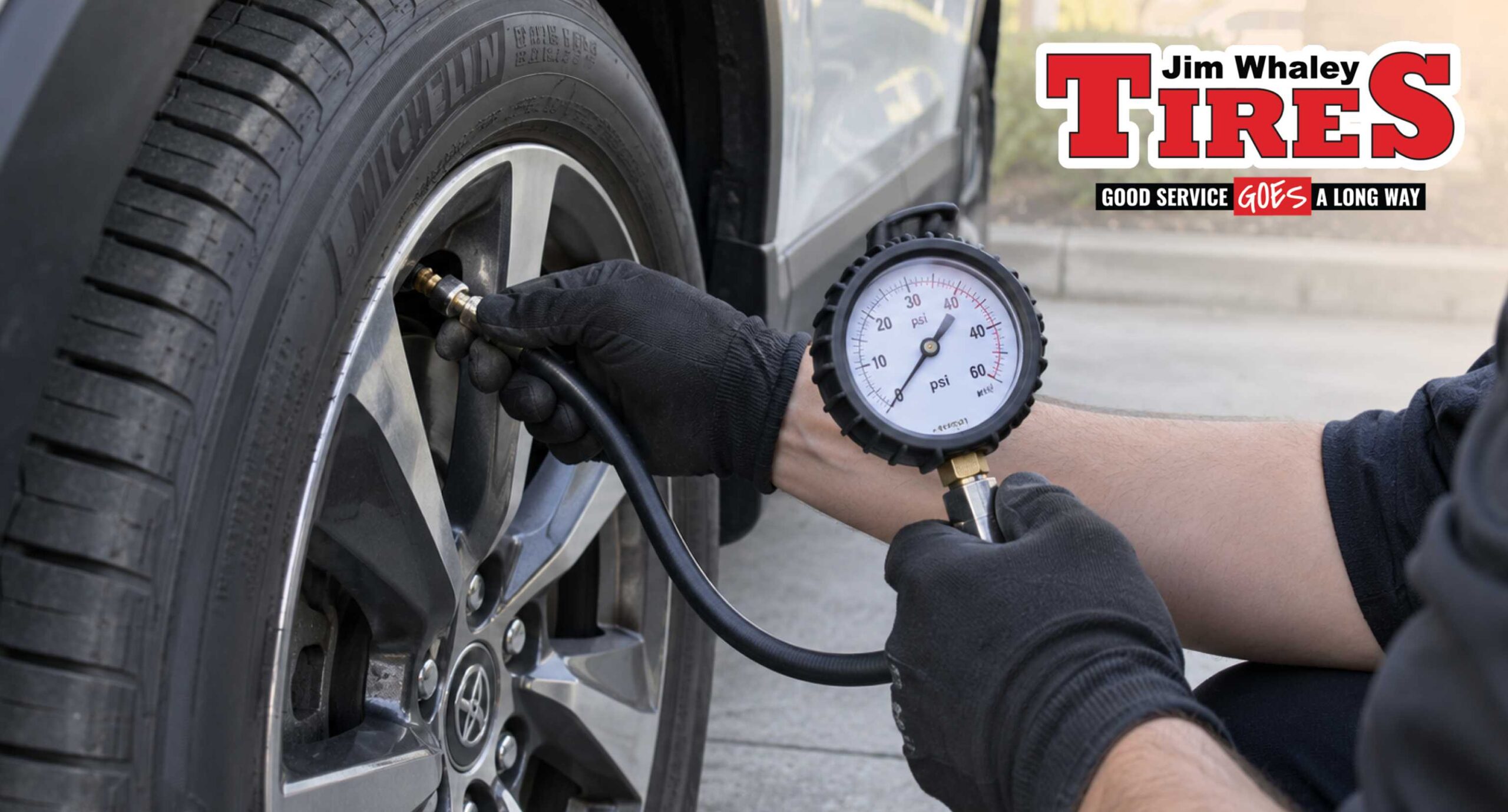
Your tires affect how your vehicle accelerates, brakes, corners, and handles changing road conditions. For drivers around West Main Street in Dothan, regular tire care can help catch small problems before they become expensive repairs or an unexpected roadside stop.
These tire maintenance tips for West Main St Dothan drivers cover the checks that matter most, from proper inflation and tread depth to tire rotation, wheel alignment, balancing, and visible damage. A few minutes of routine attention can help your tires wear more evenly and give you greater confidence behind the wheel.
TL;DR – Tire Maintenance Tips for West Main St Dothan
- Check your tire pressure monthly using the recommended PSI.
- Inspect the tread and sidewalls for low tread, cracks, bulges, cuts, or nails.
- Rotate your tires according to the recommended schedule.
- Watch for vibrations, pulling, steering changes, or repeated air loss.
- Have your tires professionally inspected when you notice unusual wear or damage.
Why Tire Maintenance Matters in Dothan
Tires are the only part of your vehicle that directly contacts the road. Their condition affects traction, braking, steering response, fuel economy, and ride quality.
NHTSA recommends checking tire pressure at least once a month when the tires are cold and inspecting tires for inflation issues, tread wear, and damage. The agency also notes that proper inflation can extend the average life of a tire by about 4,700 miles.
That makes routine Dothan tire maintenance worthwhile for both safety and your budget. Catching uneven wear or a slow leak early may also help prevent a tire problem from damaging another component.
For drivers who travel frequently around West Main Street, Ross Clark Circle, and surrounding Dothan roads, establishing a simple tire-care routine makes it easier to spot changes before they become disruptive.
How Often Should You Check Your Tires?
There is no need to wait for a warning light before looking at your tires. TPMS systems are useful, but the warning generally appears after a tire has already lost a significant amount of pressure.
A simple maintenance schedule can keep you on track:
- Every month – Check the pressure of all four tires and inspect their condition.
- Before long trips – Check pressure and look for damage or unusual tread wear.
- At oil changes – Ask for a tire inspection and check the condition of the tread.
- According to your owner’s manual – Follow the recommended tire rotation interval.
- After a pothole or curb impact – Have the tire and wheel checked if you notice vibration, pulling, or pressure loss.
The exact schedule can vary based on your vehicle, tires, driving habits, and manufacturer’s recommendations. Keeping a small tire gauge in your vehicle can make routine checks easier.
Essential Tire Maintenance Checks for Dothan Drivers
Keeping your tires in good condition takes more than checking them when the TPMS light comes on. Regular pressure checks, tread inspections, rotations, and attention to steering or vibration changes can help you catch problems early and get more life from your tires.
For West Main St drivers, these simple checks can become part of a regular vehicle-care routine. Here are the key areas to monitor and what to look for during each inspection.
1. Check Tire Pressure the Right Way
Correct tire inflation is one of the simplest and most important parts of tire maintenance. Driving with too little or too much air can change how the tire contacts the road and may accelerate uneven wear.
For accurate Dothan tire maintenance, check your pressure when the tires are cold. The recommended PSI can usually be found on the driver’s doorjamb label or in your owner’s manual. Do not use the maximum PSI printed on the tire sidewall as the vehicle’s recommended pressure.
- Check all four tires – Tires can lose pressure at different rates, so checking only the tire that looks low can leave another problem unnoticed.
- Check when tires are cold – Driving heats the tires and can temporarily increase the pressure reading.
- Use the manufacturer’s PSI – The correct number is based on your vehicle, load requirements, and tire specifications.
- Check the spare – A spare with low pressure may be difficult to use when you need it most.
- Investigate repeated pressure loss – A tire that continually loses air may have a puncture, valve problem, wheel issue, or another leak.
A monthly pressure check takes only a few minutes. If one tire repeatedly needs air between checks, treat that as a reason for inspection rather than simply continuing to refill it.
2. Inspect Tread Depth and Tire Wear
Tread provides the grip your vehicle needs for braking, accelerating, and cornering. As tread wears down, the tire’s ability to maintain traction, particularly on wet pavement, can decrease.
Michelin recommends regular tread inspections and points out that tread wear indicators provide a useful visual warning when a tire reaches its wear limit.
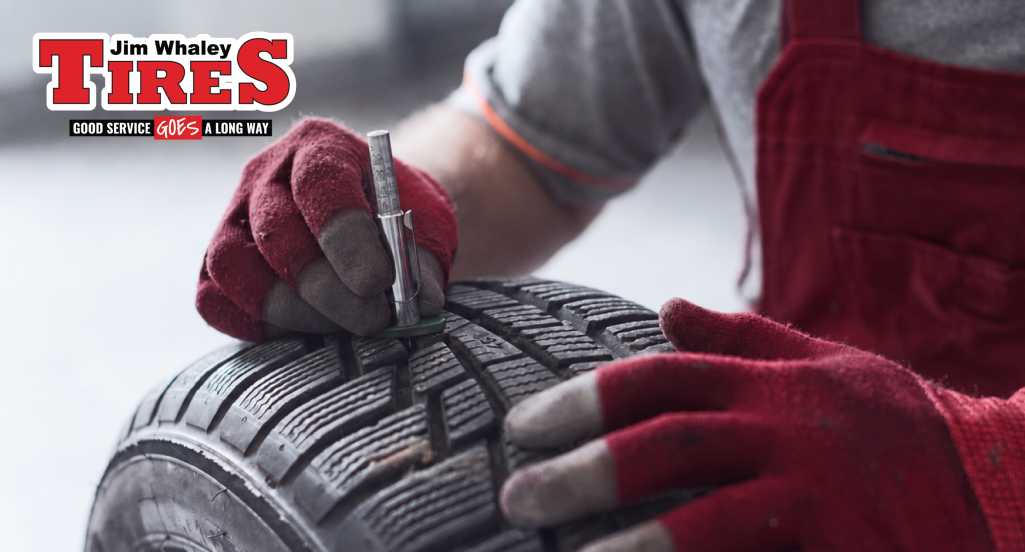
- Look across the entire tread – Check the inside, center, and outside portions instead of inspecting only the easiest area to see.
- Watch for uneven wear – One-sided or irregular wear can point toward inflation, alignment, suspension, or other issues.
- Check the tread wear indicators – These raised bars inside the grooves provide a quick indication of significant tread wear.
- Look for exposed cords – Any exposed internal material means the tire needs immediate professional attention.
- Consider a tread depth gauge – A gauge provides a more reliable measurement than judging tread visually.
Tread depth alone does not tell the entire story. A tire can have usable tread and still require attention if it has a bulge, serious cracking, repeated air loss, or other structural damage.
3. Look for Tire Damage Before Driving
A quick walk around your vehicle can reveal problems that a dashboard warning may not catch. Make visual inspection part of your routine, especially before longer drives.
These tire care tips for Dothan drivers can help you recognize common warning signs:
- Check for bulges – A bulge in the sidewall can indicate internal damage and requires prompt professional inspection.
- Look for cuts and cracks – Damage in the sidewall deserves particular attention because of the stress placed on that area.
- Watch for embedded objects – Nails, screws, glass, and other debris can create slow leaks or sudden pressure loss.
- Inspect the valve area – A damaged valve or valve stem can contribute to air loss.
- Compare all four tires – Differences in appearance, tread wear, or pressure can reveal a developing problem.
Do not assume a tire is safe simply because it is still holding air. Some damage can worsen while driving, particularly after a significant impact.
If you spot a serious bulge, exposed cords, or other major damage, have the tire evaluated before continuing to drive.
4. Rotate Your Tires on Schedule
Tires do not always wear at the same rate. The front tires can experience different forces from steering, braking, and the vehicle’s weight distribution.
Regular rotation helps distribute those forces more evenly across the tire set. Michelin identifies rotation as an important part of extending tire life and maintaining tire performance.
- Follow your vehicle’s schedule – Use the owner’s manual as the primary reference for rotation intervals.
- Use the correct rotation pattern – The appropriate pattern depends on tire type, drivetrain, and whether the tires are directional.
- Inspect during rotation – Moving the tires provides an opportunity to identify uneven wear or damage.
- Keep records – Recording the mileage at each rotation makes the next service easier to remember.
- Address unusual wear – Rotation can redistribute wear, but it will not correct the cause of an alignment or suspension problem.
A rotation is especially useful when paired with a broader inspection. If a technician sees unusual wear while rotating your tires, finding the underlying cause can help protect the remaining tread.
5. Know When You Need Wheel Alignment
Wheel alignment affects the direction and angle of the wheels relative to one another and the road. When alignment is off, a vehicle can pull to one side or wear tires unevenly.
Alignment problems can develop after hitting potholes, curbs, or other significant road hazards. Michelin notes that incorrect alignment can affect both tire life and safety.
- Watch for pulling – If your vehicle consistently drifts to one side on a reasonably level road, have it checked.
- Check the steering wheel – A steering wheel that sits noticeably off-center can be a warning sign.
- Look for one-sided wear – Excessive wear on the inner or outer edge can indicate an alignment concern.
- Pay attention after impacts – A hard pothole or curb strike can change wheel alignment or damage related components.
- Do not wait for severe wear – Early inspection can help prevent accelerated tread loss.
West Main St drivers who notice a new steering change after an impact should consider having the tires, wheels, and alignment inspected together. The visible tire symptom may be only part of the problem.
6. Pay Attention to Wheel Balance
Wheel balancing helps distribute weight around the wheel and tire assembly. When a wheel is out of balance, drivers may notice vibrations, particularly as speed increases.
Regular Dothan tire maintenance should focus on symptoms rather than relying solely on a calendar.
- Watch for steering wheel vibration – Vibration at certain speeds can be a sign of an imbalance.
- Notice changes after tire installation: New or persistent vibration after tire service warrants a follow-up inspection.
- Check for uneven wear – An imbalance can contribute to irregular tread wear over time.
- Have wheels balanced after tire service – Proper balancing supports a smoother ride and more consistent tire wear.
- Investigate new vibrations – Do not assume vibration is normal simply because the vehicle remains drivable.
A smooth ride is useful feedback from your vehicle. If your car suddenly feels different, paying attention early can help identify a tire or wheel issue before it becomes more expensive.
7. Know the Warning Signs Your Tires Need Service
Your vehicle often gives you clues before a tire problem becomes an emergency. Recognizing those clues is one of the most valuable tire maintenance tips for West Main St Dothan drivers.
Common warning signs include:
- TPMS warning light – Check your tire pressures promptly and investigate if the light remains on.
- Repeated air loss – Frequent pressure loss can indicate a puncture, valve leak, or wheel problem.
- Steering vibration – Vibration can be caused by balance issues, tire condition, wheel damage, or other components.
- Vehicle pulling – Pulling can indicate alignment, tire pressure, or suspension issues.
- Uneven tread wear – Wear on one edge, the center, or isolated sections deserves closer inspection.
- Visible bulges or cracks – Structural tire damage should receive professional attention before continued driving.
Do not wait until a tire goes completely flat before seeking help. Early inspection can make the difference between a straightforward service visit and an unexpected roadside problem.
For West Main St drivers in Dothan, consistency is key. A few minutes spent checking your tires can help you avoid unexpected issues and keep your vehicle ready for everyday driving.
HONEST SERVICE.
REAL SAVINGS.
CLAIM YOURS AND BOOK
AN APPOINTMENT
VIEW ALL COUPONS
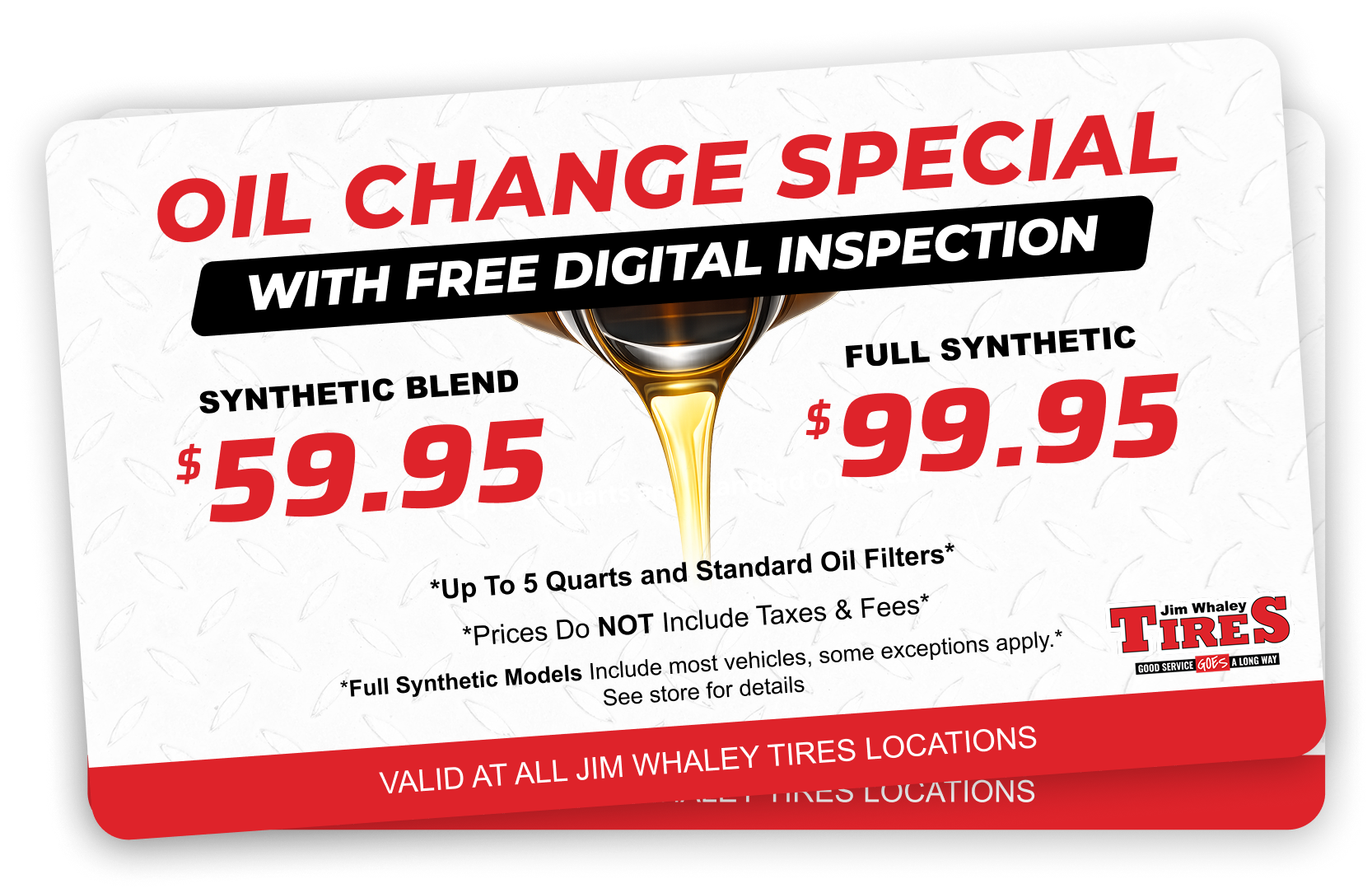
Keep Your Tires Ready for Every Dothan Drive
Following these tire maintenance tips for West Main St Dothan drivers can help catch problems early, protect your tires, and maintain dependable handling. Regular pressure checks, tread inspections, and rotations can help keep your vehicle ready for the road.
If your tires are losing air, wearing unevenly, vibrating, or due for an inspection, Jim Whaley Tires can help. Visit the West Main Street location at 4143 West Main Street in Dothan or schedule your appointment online.
Schedule online at Jim Whaley Tires and take care of your tires before a small issue becomes a bigger problem.