


If you have a nail, screw, slow leak, or suddenly flat tire, you probably want two answers right away: Can the tire be repaired, and how much will it cost? If you are looking for Tire Repair Cost on Geneva Hwy, Enterprise, AL, the final price depends on the damage, the tire itself, and the type of service required.
A simple puncture in the center of the tread can often be repaired when the tire is otherwise healthy. Damage involving the sidewall, shoulder, severe wear, or internal structure may require replacement instead. Current industry pricing commonly places a straightforward professional tire repair in the roughly $20 to $50 range, although local pricing can vary by shop, tire type, and additional services.
This guide explains what affects your cost, what a professional inspection should include, and how to decide what to do when your tire starts losing air.
TL;DR – Tire Repair Cost on Geneva Hwy Enterprise AL
- Expect pricing to vary – A basic puncture repair may fall around $20 to $50, but the exact price depends on the tire and damage.
- Puncture location matters – A small hole in the main tread area is generally a better repair candidate than damage near the shoulder or sidewall.
- A proper inspection comes first – A technician should determine whether the tire has internal damage before recommending a repair.
- Replacement may be necessary – Severe damage, excessive tread wear, or previous unsafe repairs can make a new tire the safer choice.
- Local service can save time – Jim Whaley Tires on Geneva Hwy provides tire repair and other tire services for drivers in Enterprise and nearby communities.
How Much Does Tire Repair Cost on Geneva Hwy in Enterprise
There is no single price that applies to every tire repair. A technician needs to inspect the tire before knowing whether the problem is a simple puncture, a valve issue, bead leak, or damage that calls for replacement.
For drivers comparing tire repair cost on Geneva Hwy, Enterprise, AL, these factors usually have the greatest influence on the final bill.
- Type of damage – A small puncture caused by a nail or screw is generally less complicated than a larger injury, torn tread, or damage caused by driving on a severely underinflated tire.
- Location of the damage – Punctures in the repairable tread area are more likely to qualify for repair. Sidewall and shoulder damage generally requires replacement because those areas play an important role in the tire’s structural stability.
- Tire size and construction – Large SUV, truck, performance, run-flat, and specialty tires may require different procedures and equipment than a standard passenger tire.
- Additional services – A technician may identify a damaged valve stem, TPMS concern, balance issue, or another source of air loss during the inspection.
- Overall tire condition – A repair may not make financial or safety sense if the tire is already badly worn, has multiple injuries, or has other signs of damage.
A professional inspection gives you something a price estimate alone cannot provide: context. Instead of paying for a repair that may not be appropriate, you can understand why the technician recommends repairing or replacing the tire.
What Can Make a Tire Repair More Expensive
The repair itself may be straightforward, but certain circumstances can add time or cost. Knowing these factors can help you understand an estimate instead of wondering why two tire repairs have different prices.
- Specialty tires – Performance tires, larger truck tires, and some specialty constructions may require additional care or equipment.
- Multiple problems – A tire can have a puncture and a separate valve or bead leak at the same time. Fixing the actual source of air loss may require more than one service.
- Wheel-related problems – A bent wheel or damaged wheel component can sometimes contribute to repeated air loss and needs to be addressed separately.
- TPMS service – Some vehicles use tire pressure monitoring sensors that may need inspection or service when a tire is losing pressure.
- Replacement instead of repair – If the tire cannot be safely repaired, the cost shifts from a repair service to purchasing, mounting, balancing, and installing a replacement tire.
This is why asking only, “How much does a tire repair cost?” can leave out important information. A better question is, “What caused the air loss, and can this tire be safely repaired?”
When Can a Tire Be Repaired
The most important question is whether the damaged tire remains structurally safe. Industry guidance generally focuses on the location, size, and condition of the injury rather than simply whether a tire has a hole.
For tire puncture repair Enterprise AL, a technician may look at several factors before approving the repair.
- The puncture is in the tread area – A small injury in the main tread area has a better chance of being safely repaired than damage close to the shoulder or sidewall.
- The injury is relatively small – Size matters because a large or irregular hole can compromise the tire beyond what a standard repair can safely address.
- The tire has adequate tread – A puncture repair does not restore worn-out tread. If the tire is already near the end of its useful life, replacement may be the better option.
- There is no serious internal damage – Driving on a flat or severely underinflated tire can damage internal components even when the original puncture looks minor.
- The tire has not suffered unsafe previous repairs – Multiple repairs or improper repair methods can affect whether another repair is appropriate.
A tire that looks repairable from the outside may tell a different story once it is removed and inspected. That is one reason professional evaluation matters.
Patch or Plug Which Is Better
Drivers often hear the terms plug and patch used interchangeably, but they are not necessarily the same service.
A professional repair commonly involves addressing the puncture channel and sealing the inner liner. The Tire Industry Association describes a permanent tire repair as a combination repair involving a plug and patch rather than simply inserting a rubber plug from the outside.
- External plug – A plug inserted from the outside can be a quick temporary solution, but it does not provide the same internal inspection and repair process.
- Internal patch – A patch seals the inner liner but may not properly fill the puncture channel by itself.
- Combination repair – A plug-and-patch approach addresses both the injury channel and inner liner and is the preferred professional approach for eligible punctures.
- Internal inspection – Removing the tire allows the technician to check for damage that cannot be seen while the tire remains mounted.
- Proper preparation – The repair area needs to be prepared correctly so the repair material bonds and seals as intended.
If someone offers a very cheap plug without inspecting the inside of the tire, ask what repair method is being used. Saving a few dollars has little value if the tire continues to lose air or contains hidden damage.
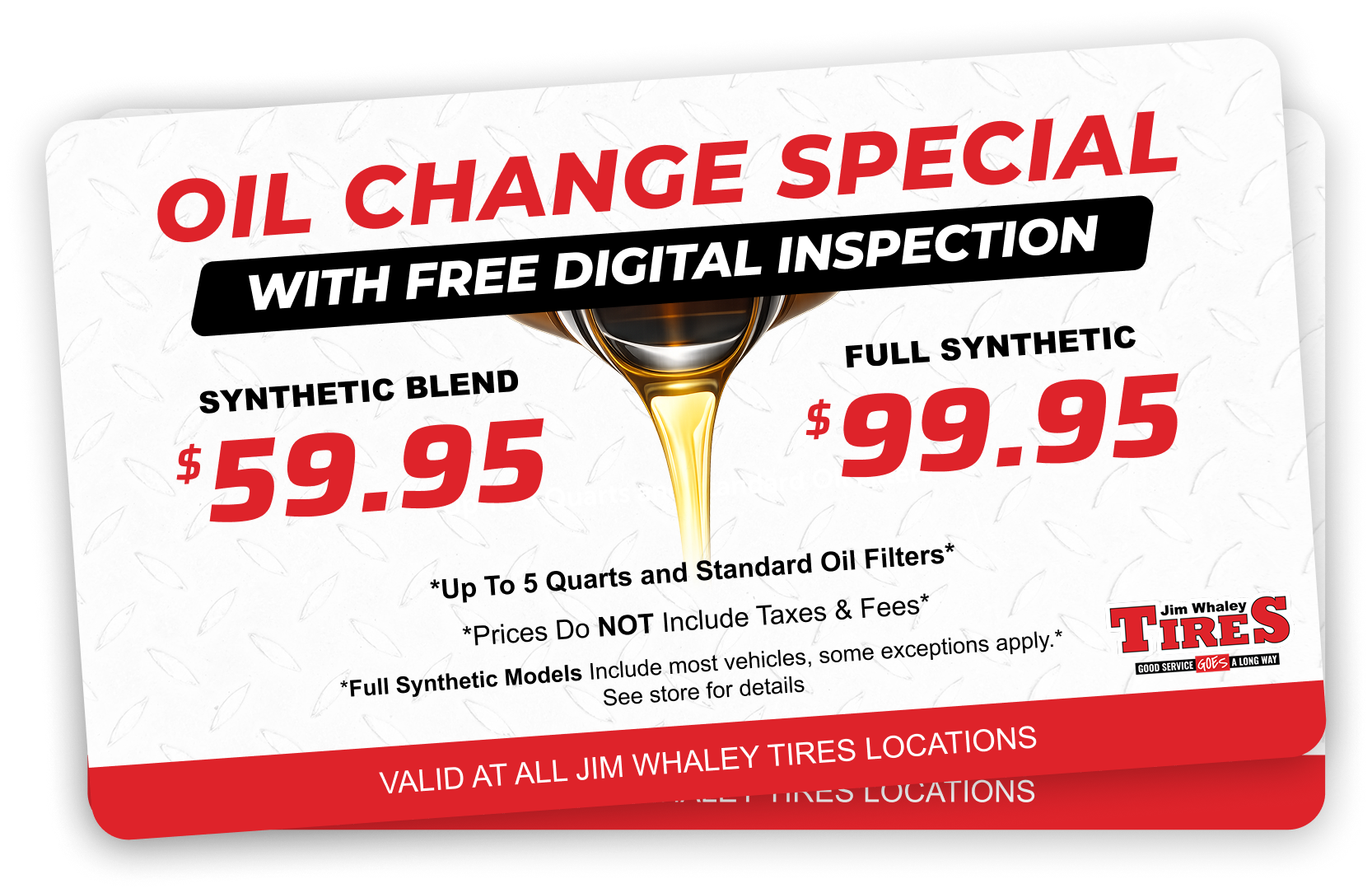
HONEST SERVICE.
REAL SAVINGS.
CLAIM YOURS AND BOOK
AN APPOINTMENT
VIEW ALL COUPONS
When Do You Need Tire Replacement
Some tire problems should not be repaired. In those situations, replacing the tire is a safety decision rather than an unnecessary upgrade.
For tire replacement Enterprise AL, consider replacement when a qualified technician identifies damage or wear that makes the tire unsuitable for continued service.
- Sidewall damage – Cuts, punctures, bulges, or other structural damage to the sidewall generally call for replacement rather than repair.
- Shoulder damage – Injuries near the shoulder can fall outside the safe repair area.
- Severe tread wear – A repaired puncture does not restore tread depth or improve an otherwise worn tire.
- Large or irregular punctures – A significant injury may exceed what a standard repair can safely handle.
- Internal damage – Driving on a flat tire can create internal damage that is not visible from the outside.
Firestone, for example, identifies sidewall and shoulder damage, large or irregular gashes, and tires with only 2/32 inch of tread as situations requiring replacement rather than standard repair.
When replacement is recommended, ask whether the other tires should also be inspected. Differences in tread depth, tire type, and overall condition can affect how the vehicle handles.
What Should You Do When Your Tire Loses Air
A slowly leaking tire can tempt you to keep adding air and continue driving. That may work temporarily, but repeated low pressure can create additional problems and increase the risk of tire damage.
If you need flat tire repair Enterprise AL, start with these basic safety steps.
- Move to a safe location – If you notice a flat while driving, slow down smoothly and move away from traffic when possible.
- Avoid driving farther than necessary – Driving on a severely underinflated tire can damage the tire internally and turn a repairable problem into a replacement.
- Check the pressure – If you have a reliable gauge or onboard TPMS, determine whether the tire is losing pressure.
- Look for obvious damage – A nail or screw may identify the source, but do not pull an embedded object out before professional evaluation.
- Arrange professional service – If the tire continues losing air, have it inspected rather than repeatedly inflating it and hoping the problem disappears.
If you are on or near Geneva Hwy and the situation feels unsafe, prioritize your location and personal safety before attempting any roadside inspection. Jim Whaley Tires can assess the tire and determine whether repair or replacement is appropriate.
How to Prevent Another Tire Repair
Once a tire has been repaired, prevention becomes the best way to reduce the chances of another unexpected expense. A few simple habits can also help tires wear more evenly.
- Check tire pressure regularly – Use the vehicle manufacturer’s recommended cold tire pressure rather than the maximum pressure printed on the tire sidewall.
- Inspect the tread – Look for uneven wear, exposed objects, cracks, bulges, or unusual patterns.
- Rotate your tires – Regular rotation can help distribute wear between tire positions and extend useful tread life.
- Pay attention to vibrations – New shaking or steering changes can point to tire, wheel, alignment, or suspension concerns.
- Respond to slow leaks quickly – Repeatedly adding air is a temporary response. A persistent pressure loss deserves an inspection.
Regular tire care is especially valuable for local drivers who switch between city streets, highways, work commutes, and longer trips. Catching a small problem early can prevent a much bigger tire expense later.
Tire Repair on Geneva Hwy with Jim Whaley Tires
Understanding tire repair cost on Geneva Hwy, Enterprise, AL starts with looking beyond the price of the repair itself. The real question is whether your tire can be safely returned to service and whether the repair addresses the actual cause of the air loss.
For tire repair on Geneva Hwy, Jim Whaley Tires provides local tire service for Enterprise drivers who need an inspection, repair, replacement, or related tire care. A qualified technician can examine the tire and explain the recommended repair before you make a decision.
If you need tire replacement in Enterprise AL, tire repair, or another tire service, schedule with Jim Whaley Tires online. Visit https://jimwhaleytires.com/ to request an appointment and get your tires checked before a small problem becomes a roadside emergency.