


A nail, screw, or slow leak can turn an ordinary drive into an unexpected expense. If you are searching for tire repair cost in Ozark, AL, you are probably trying to figure out whether you are looking at a small repair bill or the cost of a replacement tire.
Many tread punctures can be repaired when the damage is small and located in a repairable area. Professional tire repair typically ranges from $20 to $50 nationally, though the actual price in Ozark depends on the tire, the damage, the repair method, and any additional services required.
This guide explains what affects your final bill, when a tire can be repaired, when replacement makes more sense, and what to ask before approving the work. Jim Whaley Tires in Ozark provides tire repair and inspection services at 1352 E Andrews Ave, serving local drivers and surrounding communities.
TL;DR – Tire Repair Cost in Ozark, AL
- A professional patch or plug-patch repair often costs $20 to $50, though local pricing can vary depending on the tire and service required.
- Small punctures in the main tread area are often repairable, while sidewall and shoulder damage commonly requires replacement.
- A professional internal inspection and appropriate plug-and-patch repair provide a more complete solution than relying on an external plug alone.
- If the tire has structural damage, severe wear, or an unsafe puncture location, replacing it is usually the better investment.
- Driving on an underinflated or damaged tire can create additional internal damage and turn an inexpensive repair into a replacement.
What Is the Average Tire Repair Cost in Ozark, AL?
The exact tire repair cost in Ozark, AL depends on what caused the leak and what the technician finds during the inspection. Professional puncture repairs range from $20 to $50, with some repairs costing less and specialty situations costing more.
A simple external plug may be inexpensive, while a proper repair can require removing the tire from the wheel, inspecting the inside, repairing the puncture, reinstalling the tire, and checking the balance.
Typical tire repair expenses
- External plug – A basic plug may cost around $10 to $30, depending on the shop and circumstances. It is quick because the tire may remain mounted, but an external plug should not be treated as equivalent to a complete internal repair.
- Internal patch – An internal patch generally requires removing the tire so the technician can inspect and repair the inner liner. Costs typically range from $15 to $40, depending on the service.
- Plug-patch repair – A combination repair typically costs $20 to $50 and provides a more complete repair for an eligible puncture.
- Tire inspection – Some shops include inspection as part of the repair process, while others may charge separately depending on the service.
- Additional service – Balancing, valve stem replacement, TPMS service, or cleanup from tire sealant can add to the final bill when those services are needed.
The price you receive should make sense once you know what work the technician is performing. Before approving the repair, ask whether the tire will be removed and inspected internally and whether balancing or other services are included.
What Factors Affect Tire Repair in Ozark AL?
There is no single price that applies to every punctured tire. The cost can change significantly depending on the tire and the condition of the damage.
For drivers comparing tire repair in Ozark AL, understanding these variables makes it easier to compare quotes fairly.
- Puncture size – Small nail or screw punctures are generally easier to evaluate and repair than larger holes. Industry guidance commonly uses about 1/4 inch as a general upper limit for repairable punctures, although the technician must evaluate the individual tire.
- Damage location – A puncture in the central tread area may be repairable, while damage in the shoulder or sidewall generally requires replacement. These areas experience different stresses and cannot be treated like an ordinary tread puncture.
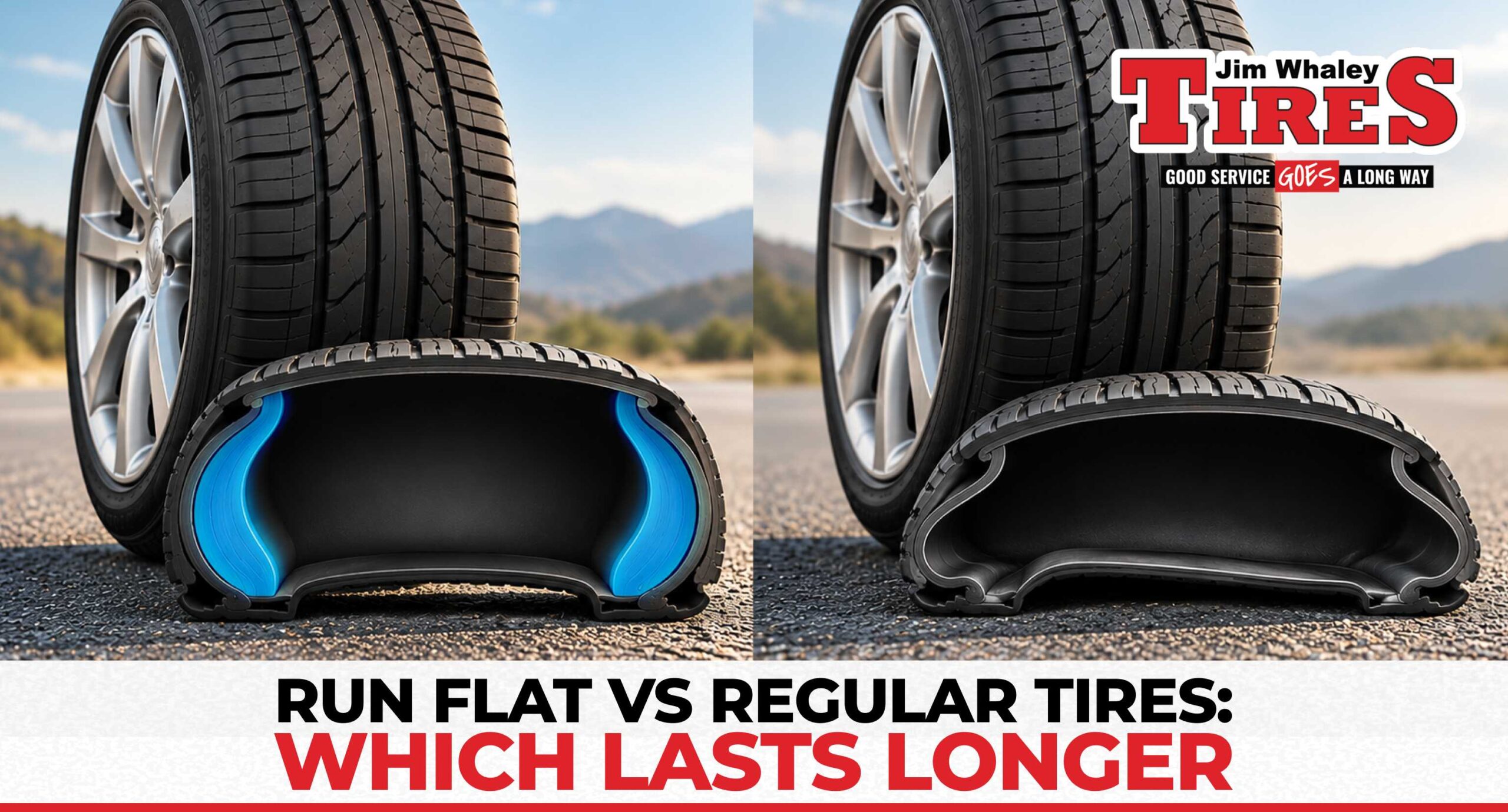
- Tire construction – Low-profile, extra-load, run-flat, and specialty tires can require different procedures or have stricter repair limitations. Some run-flat tires may need replacement after being driven while underinflated.
- Previous repairs – A tire with several existing repairs may have less usable repair area. Closely spaced punctures can make another repair unsafe even when the newest puncture appears small.
- Additional damage – A tire that has been driven while severely underinflated can develop internal damage that cannot be seen from the outside. That is one reason a professional inspection matters.
A quote should reflect the actual condition of the tire rather than the size of the nail you can see. What looks like a five-minute repair from the outside may require a closer inspection before the technician can determine whether it is safe.
When Can a Tire Be Repaired?
Knowing whether your tire qualifies for repair can save you money and help you make a safer decision. A professional technician should evaluate the injury rather than automatically recommending either a repair or replacement.
Repair may be possible when the damage is in the tread, is caused by a small puncture, does not affect the sidewall or shoulder, and has not already been improperly repaired.
- Small tread puncture – A nail or screw that creates a small hole in the main tread area is one of the most common repair situations.
- Limited air loss – A tire that has slowly lost pressure may still be structurally sound, provided it has not been driven extensively while flat or severely underinflated.
- Good overall tire condition – The tire should have adequate tread and no serious cracks, bulges, exposed cords, or other structural problems.
- Repairable puncture location – The injury should be within the repairable tread area and away from the shoulder and sidewall.
- Safe internal condition – Once the tire is inspected, there should be no evidence that driving underinflated damaged the internal structure.
A repair makes financial sense when the tire is otherwise healthy and the injury can be safely repaired. The goal should always be to restore the tire’s safe operation, rather than choosing the cheapest possible fix.
HONEST SERVICE.
REAL SAVINGS.
CLAIM YOURS AND BOOK
AN APPOINTMENT
VIEW ALL COUPONS
When Should You Replace a Tire Instead?
Sometimes the smartest way to manage tire repair cost in Ozark, AL is to recognize when a repair is no longer appropriate. Saving $30 on a repair does little good if the tire has structural damage or is already near the end of its useful life.
- Sidewall damage – Cuts, punctures, bubbles, or bulges in the sidewall can indicate structural damage that cannot be safely repaired with an ordinary puncture repair.
- Shoulder puncture – Damage close to the edge of the tread may fall outside the normal repair area and can require replacement.
- Large puncture – A hole larger than the tire manufacturer’s or industry’s repair limits may compromise the tire’s structure.
- Severe tread wear – Repairing a puncture does not restore worn tread. Jim Whaley Tires advises drivers to pay attention to tread depth and visible wear when deciding whether tires need replacement.
- Internal damage – Driving on a flat or severely underinflated tire can cause internal damage even when the exterior looks acceptable.
- Too many previous repairs – Multiple repairs in the same area can weaken the tire and limit safe repair options.
A responsible technician should explain why a tire cannot be repaired instead of simply giving you a replacement price. If replacement is necessary, ask whether the remaining tires have similar tread depth and whether the new tire needs to be matched appropriately.
What Should You Ask Before Paying for Tire Repair?
A good conversation with the technician can make the final bill much easier to understand. You do not need to be an automotive expert to ask a few straightforward questions.
- Where is the damage? – Ask whether the puncture is in the center tread, shoulder, or sidewall. Location is one of the biggest factors in determining whether repair is appropriate.
- How large is the puncture? – Knowing the approximate size helps explain why a repair may or may not be possible.
- Was the tire inspected internally? – This is important because some damage cannot be identified from the outside.
- What repair method will you use? – Ask whether the repair is an external plug, internal patch, or combination repair.
- Is anything else needed? – Ask whether the tire needs balancing, a valve stem, TPMS attention, or another service before you approve the work.
A trustworthy shop should be comfortable explaining its recommendation in plain language. At Jim Whaley Tires, the stated tire repair process includes inspecting the tire, identifying the puncture or leak, using an appropriate plug and patch when safe, checking air pressure, and performing a balance check after reinstallation.
How Can You Prevent Future Tire Repair Costs?
Once you have dealt with a puncture, a little routine maintenance can reduce the chances of another tire emergency. Prevention also helps you catch problems before they become expensive.
- Check pressure regularly – Underinflation increases heat buildup, rolling resistance, and uneven wear. Check pressure when the tires are cold and follow the pressure listed for your vehicle.
- Inspect the tread during routine checks for nails, screws, cuts, cracks, and unusual wear patterns.
- Rotate tires regularly – Jim Whaley Tires recommends tire rotation every 5,000 to 7,000 miles or every six months, whichever comes first.
- Pay attention to vibrations – New vibration can point to an imbalance, tire issue, wheel problem, or suspension concern that deserves inspection.
- Respond to warning lights – A TPMS warning should prompt a pressure check rather than being ignored. A tire that repeatedly loses air needs attention.
Regular inspections can also reveal alignment or suspension issues that contribute to uneven tire wear. Catching those problems early helps protect the money you have already invested in your tires.
Tire Repair Cost in Ozark, AL and Your Next Step
The best way to control tire patch cost is to address a puncture before continued driving causes additional damage. A small tread puncture can often be repaired for far less than the cost of a replacement tire, but the tire needs to be inspected before anyone can give you a responsible recommendation.
If your tire is losing air, has picked up a nail or screw, or feels different while driving, have it checked promptly. Jim Whaley Tires can inspect the tire and explain whether repair or replacement makes sense for your vehicle and budget.
For professional tire service in Ozark, visit Jim Whaley Tires at 1352 E Andrews Ave or schedule an appointment online. The team can inspect your tire, identify the source of the leak, and recommend the safest practical solution. Schedule an appointment with Jim Whaley Tires